Rare artifacts in Xizang trace centuries of cultural exchange

July 28, 2026Source: chinadaily.com.cnAuthor: Guo Yanqi, Zhu Lixin in Lhasa
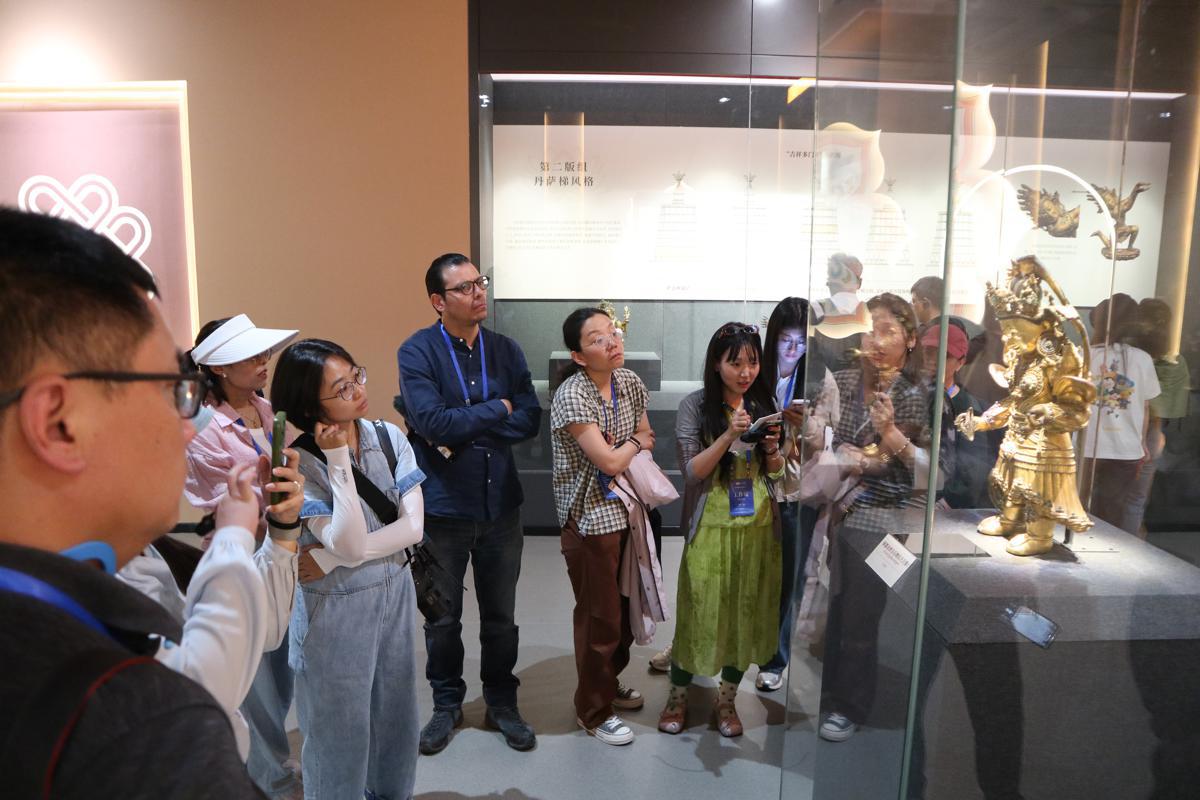
  • Journalists from China and abroad visit the Lhoka Museum in the Xizang autonomous region to learn about centuries of political, religious, and artistic exchange between Xizang and other parts of China. [Photo by Zhu Lixin/chinadaily.com.cn]

  • Journalists from China and abroad visit the Lhoka Museum in the Xizang autonomous region to learn about centuries of political, religious, and artistic exchange between Xizang and other parts of China. [Photo by Zhu Lixin/chinadaily.com.cn]

  • Journalists from China and abroad visit the Lhoka Museum in the Xizang autonomous region to learn about centuries of political, religious, and artistic exchange between Xizang and other parts of China. [Photo by Zhu Lixin/chinadaily.com.cn]

  • A Yuan-dynasty iron tiger tally inscribed in Phags-pa script reflects how orders were conveyed and carried out in Xizang during the Yuan Dynasty (1271-1368). [Photo by Guo Yanqi/chinadaily.com.cn]

  • A kesi silk-tapestry thangka combines Tibetan Buddhist imagery with techniques and decorative elements from central China, showcasing cultural exchange between Xizang and the central plains. [Photo by Guo Yanqi/chinadaily.com.cn]

  • A Ming Dynasty (1368-1644) statue of Shakyamuni Buddha is on display at the Lhoka Museum. [Photo by Guo Yanqi/chinadaily.com.cn]

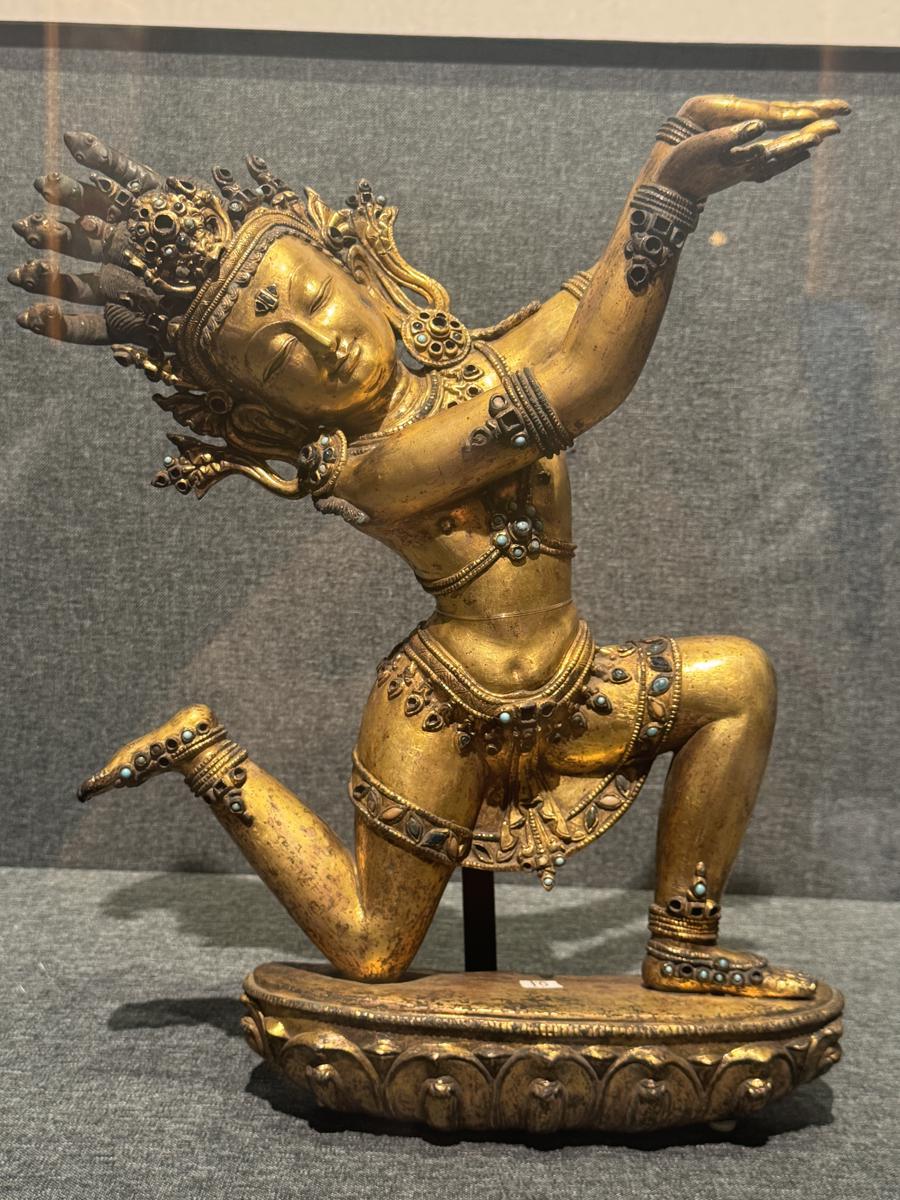
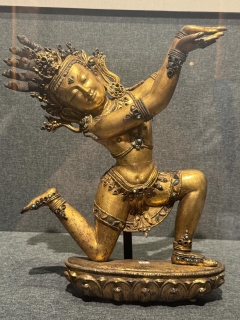
  • Gilt-bronze statues of Buddhist deities dating to the 15th century are on display at the Lhoka Museum. [Photo by Guo Yanqi/chinadaily.com.cn]

  • Gilt-bronze statues of Buddhist deities dating to the 15th century are on display at the Lhoka Museum. [Photo by Guo Yanqi/chinadaily.com.cn]

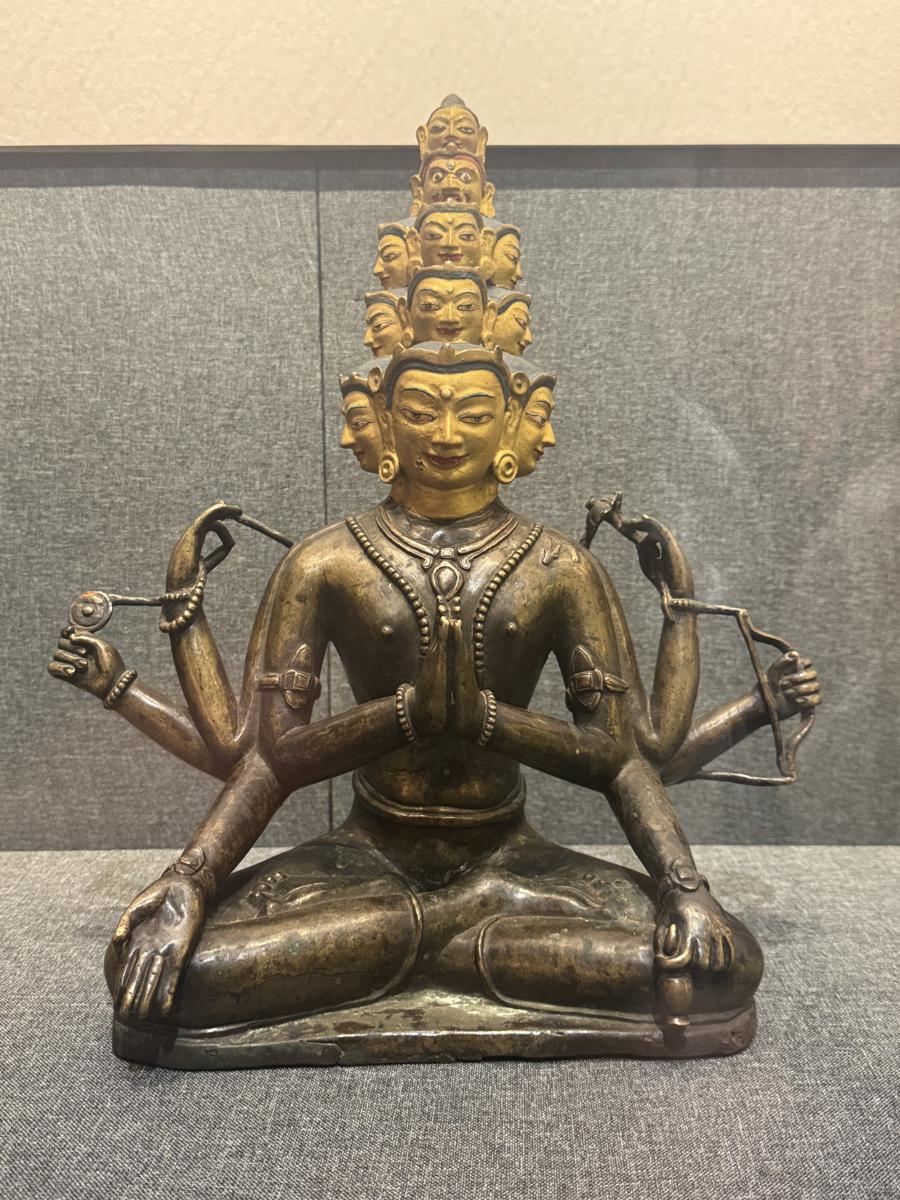
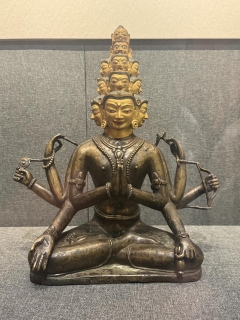
  • A 12th– to 13th-century copper-alloy statue of the Eleven-Headed Guanyin is on display at the Lhoka Museum. [Photo by Guo Yanqi/chinadaily.com.cn]

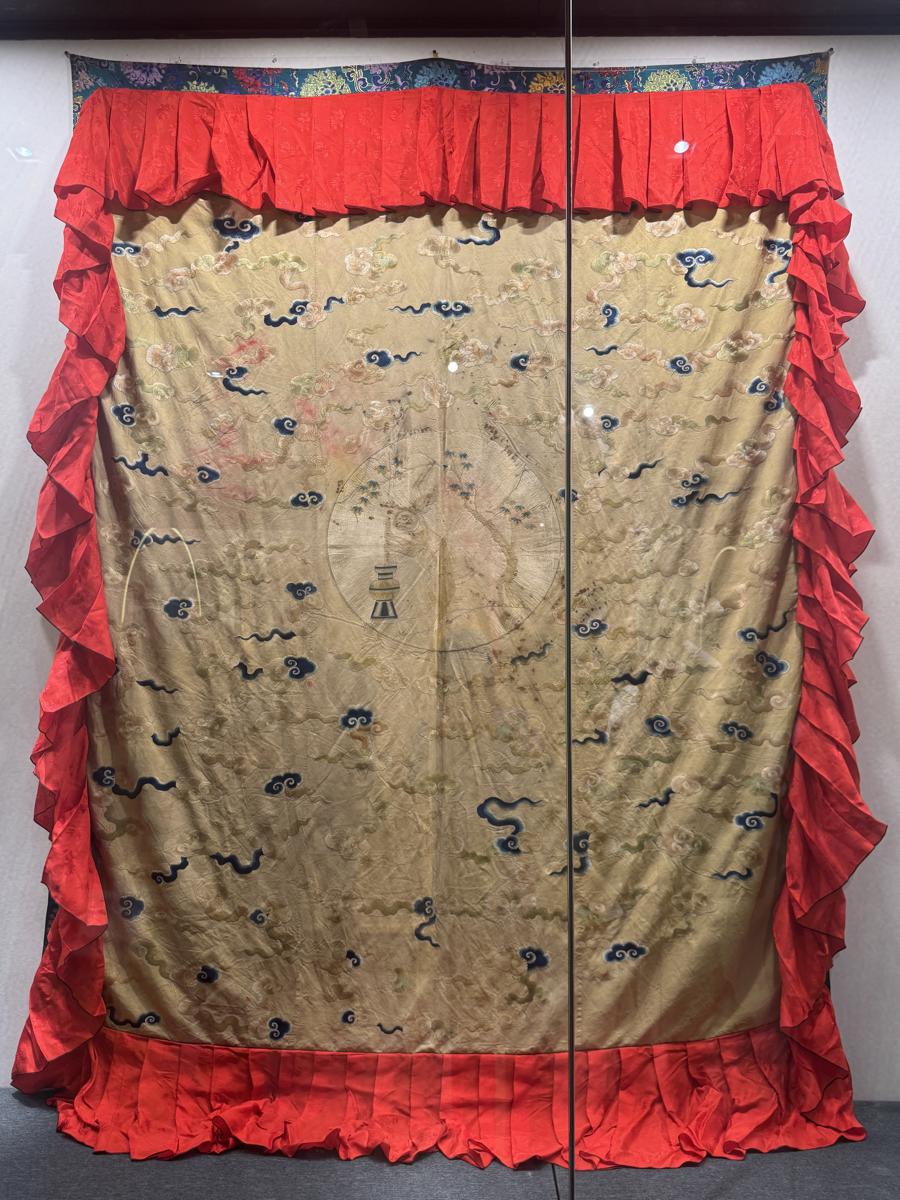
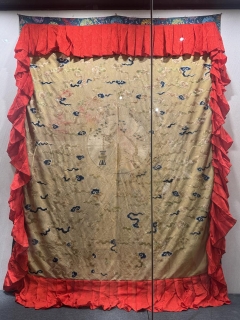
  • A Qing Dynasty (1644-1911) embroidered hanging screen depicting the jade rabbit pounding an elixir is on display at the Lhoka Museum. [Photo by Guo Yanqi/chinadaily.com.cn]

  • An 18th- to 19th-century ritual object made from conch shell, metal, and gemstones is on display at the Lhoka Museum. [Photo by Guo Yanqi/chinadaily.com.cn]

More than 70 rare artifacts, many being shown publicly for the first time, are drawing tourists from home and abroad to the Lhoka Museum in the Xizang autonomous region.

The exhibition, which opened on May 18 and is expected to run until late August, brings together cultural objects from 37 monasteries across 12 counties, tracing centuries of political, religious, and artistic exchange between Xizang and other parts of China.

The displays are arranged in four sections: historical documents and official seals, Buddhist statues, thangkas, and ritual objects.

"This has been one of the exhibitions most popular with local people since it opened," Losang Drolkar, deputy director of the museum, told a visiting group of Chinese and foreign journalists. "Many of these objects are normally kept in monastery storage and cannot be seen by visitors."

One of the centerpieces is an iron tiger tally inscribed in Phags-pa script from the Yuan Dynasty (1271-1368). Such tokens were used to transmit urgent military orders, and organizers said the object reflects how Yuan government instructions were communicated and carried out in Xizang.

Other exhibits show how artistic techniques and cultural symbols traveled between regions. A Qing Dynasty (1644-1911) embroidered hanging screen depicts the jade rabbit pounding an elixir, a motif associated with the Taoist pursuit of health and longevity in the central plains. It uses silk from the Jiangnan region and features auspicious cloud patterns common in art from central China.

A kesi silk-tapestry thangka combines Tibetan Buddhist imagery with techniques and decorative elements from central China, including the characters symbolizing longevity and happiness alongside dragon and auspicious-cloud motifs.

The museum also displays traditional clothing and objects illustrating folk customs in Lhoka and elsewhere in Xizang.