
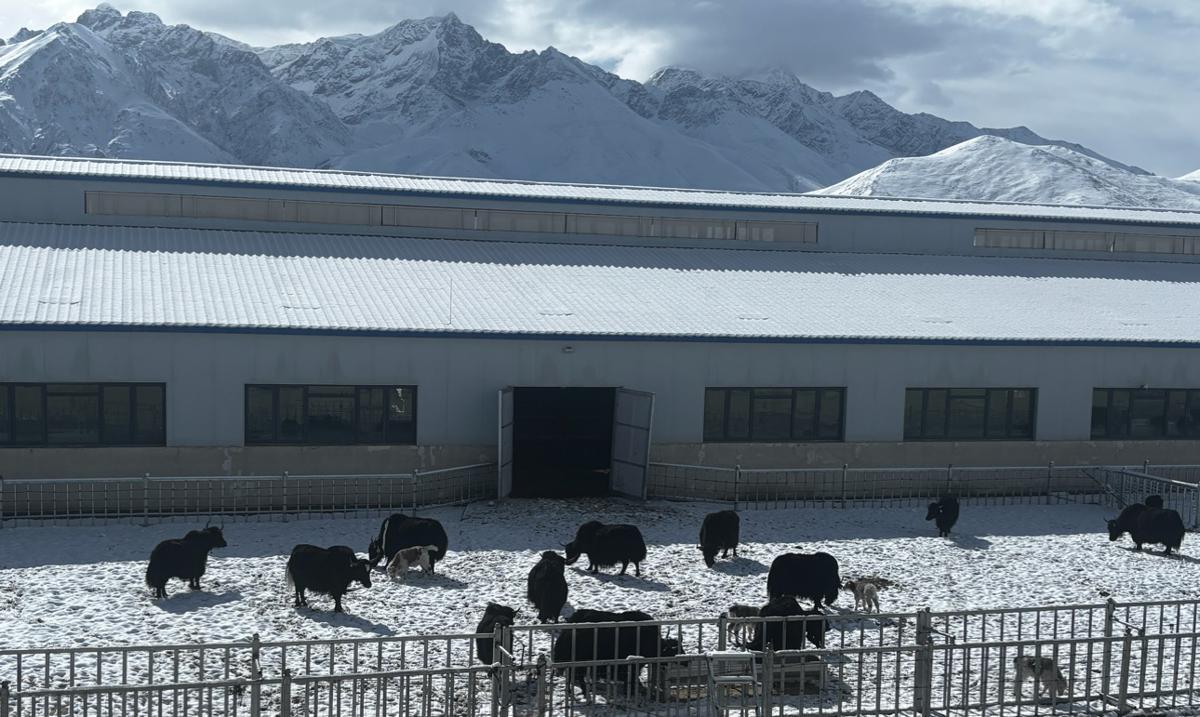
Yaks, including clones born this year are seen at a breeding base in Damshung county, Lhasa, Xizang autonomous region. [Photo by Palden Nyima/chinadaily.com.cn]
For the first time, China has cloned 10 healthy yaks, marking a breakthrough in high-altitude livestock breeding, researchers announced on Monday.
The breakthrough was realized in Damshung county of Lhasa, Xizang autonomous region, where all 10 cloned yaks were carried to term and born naturally between March 25 and April 5, according to an announcement from the county.
The calves were produced using a self-developed technology that creates 1:1 replications. The development could cut yak breeding cycles from around 20 years to under five and reverse long-standing genetic decline, according to Fang Shengguo, who led the research team from Zhejiang University.
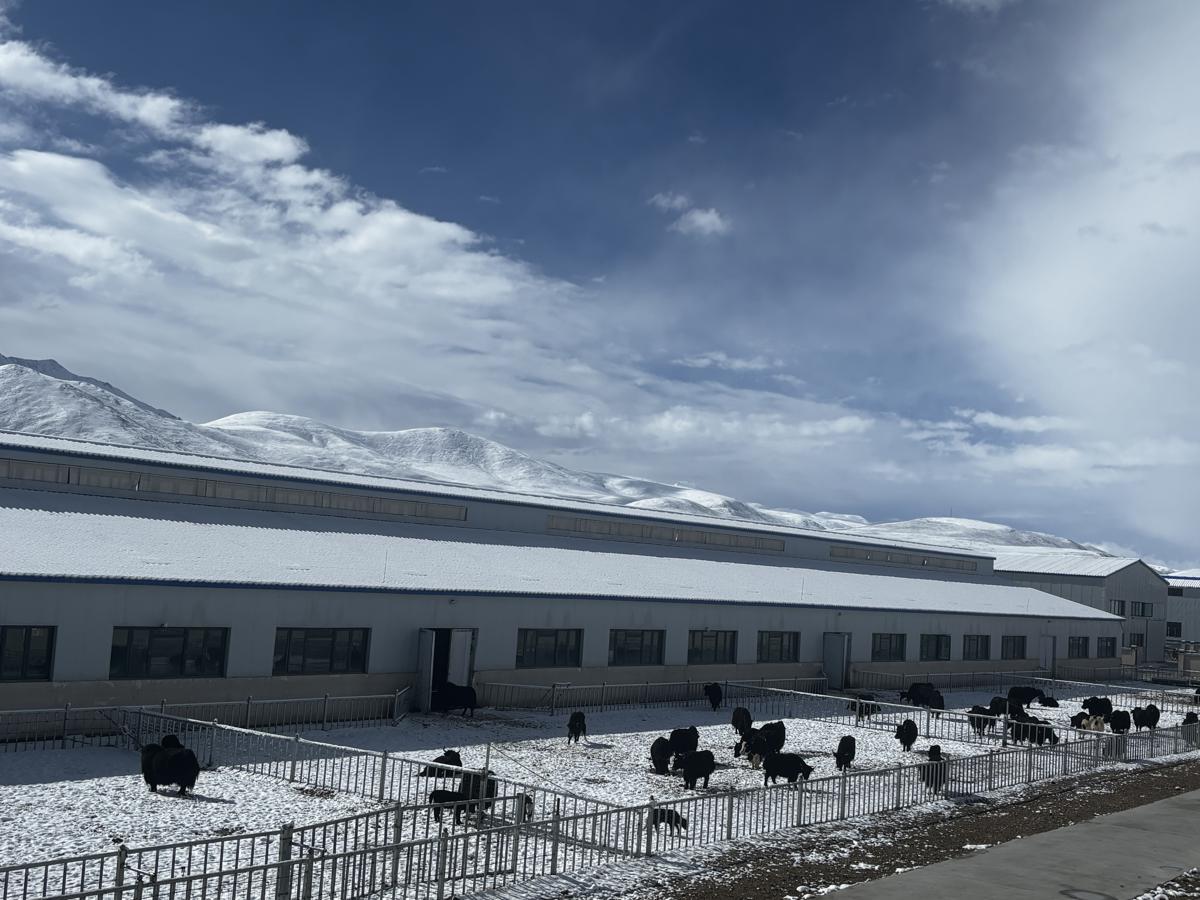
Yaks, including clones born this year are seen at a breeding base in Damshung county, Lhasa, Xizang autonomous region. [Photo by Palden Nyima/chinadaily.com.cn]
The milestone builds on China's first cloned yak, "Nam Co No 1", born in July 2025, and marks a shift from a "0-to-1" laboratory breakthrough to "1-to-10" replicable production, laying the groundwork for industrial-scale expansion, he said.
The technology works by genome sequencing nearly 9,000 yaks to identify top-tier "seed yaks" with desirable traits, such as those that grow quickly, are fertile, have strong immune systems, and can adapt to high altitudes.
Scientists then use somatic cell cloning to replicate these elite genotypes. The approach directly addresses long-standing bottlenecks in Xizang's yak industry, where genetic resources have been degrading for decades and traditional breeding methods are slow and inefficient.
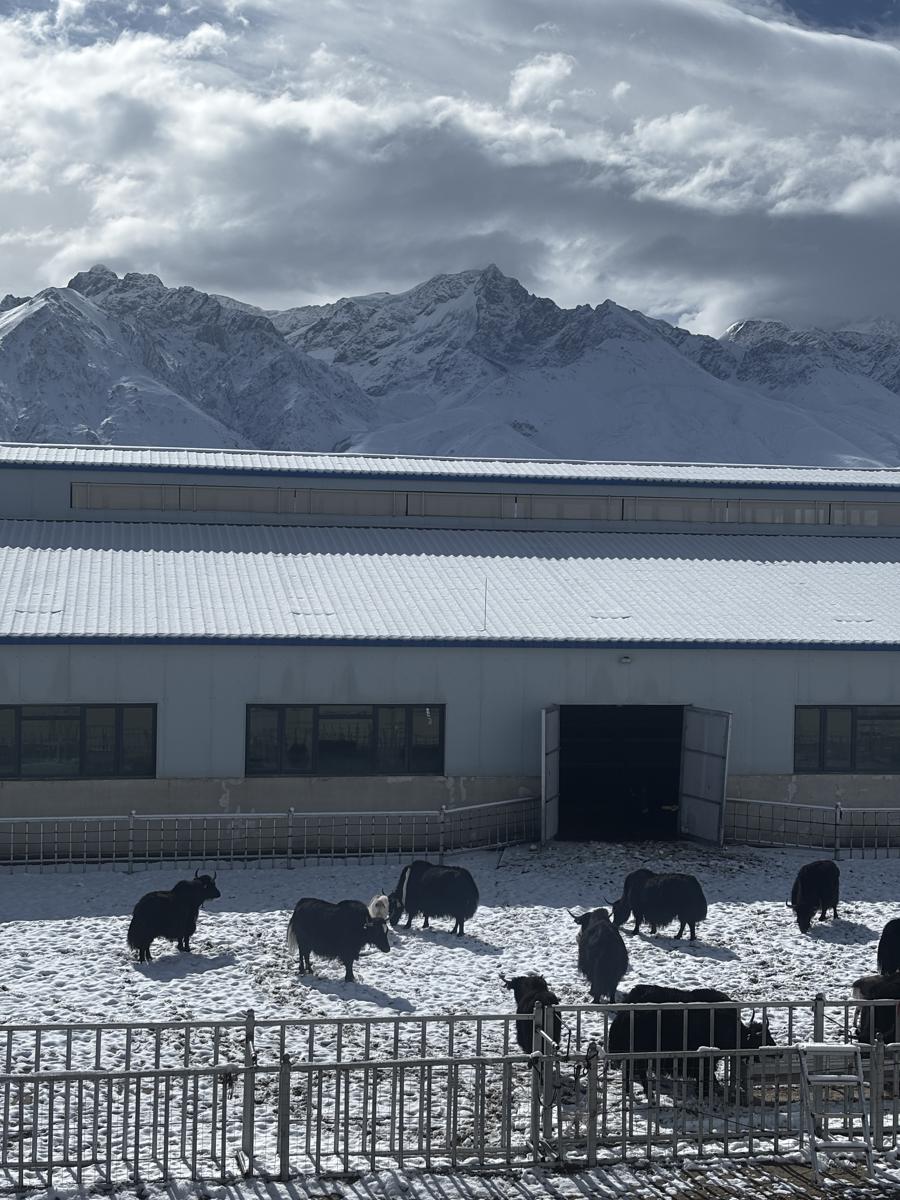
Yaks, including clones born this year are seen at a breeding base in Damshung county, Lhasa, Xizang autonomous region. [Photo by Palden Nyima/chinadaily.com.cn]
The project has already produced 11 healthy cloned calves and established a stable somatic cell system for yak breeding.
Fang said that the research team plans to raise a population of over 100 elite cloned yaks by 2028 and develop the first high-altitude-adapted improved yak strain, alongside standardized breeding protocols.
Yaks are endemic to the Qinghai-Tibet Plateau, serving as livelihood assets for local herding communities and an integral component of the plateau's ecosystem.