
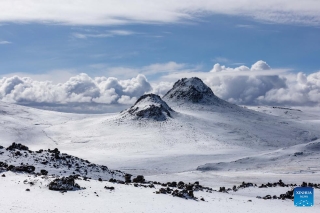
The Bamoqongzong extinct volcanic cluster is located deep within the Changtang National Nature Reserve, at an average elevation of approximately 5,000 meters.
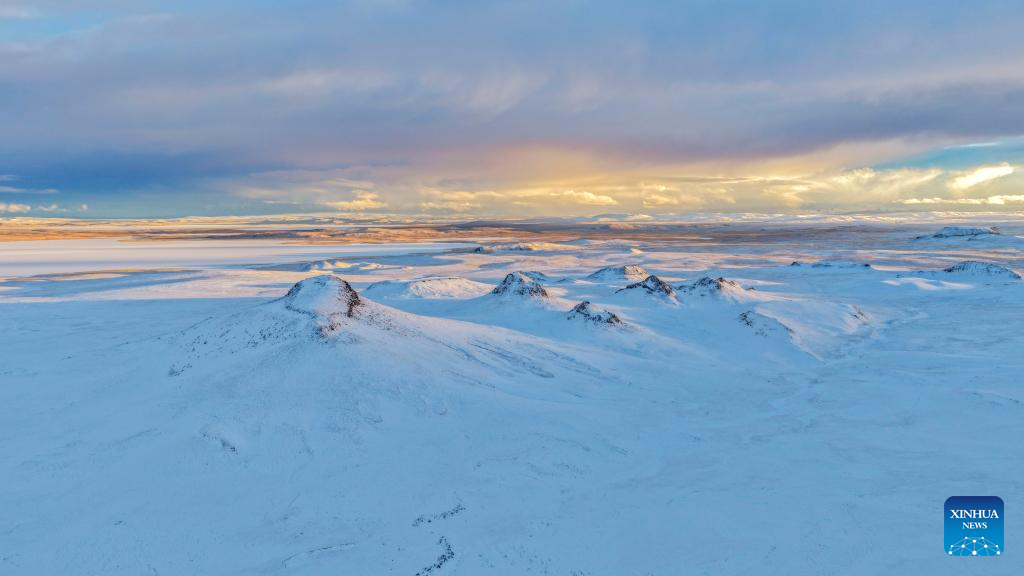
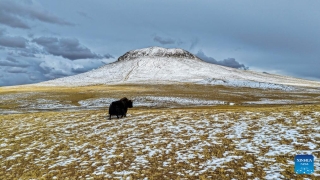
An aerial drone photo taken on April 9, 2026 shows a view pictured at the Bamoqongzong extinct volcanic cluster area in the Changtang National Nature Reserve, southwest China's Xizang Autonomous Region. (Photo by Liang Chunning/Xinhua)
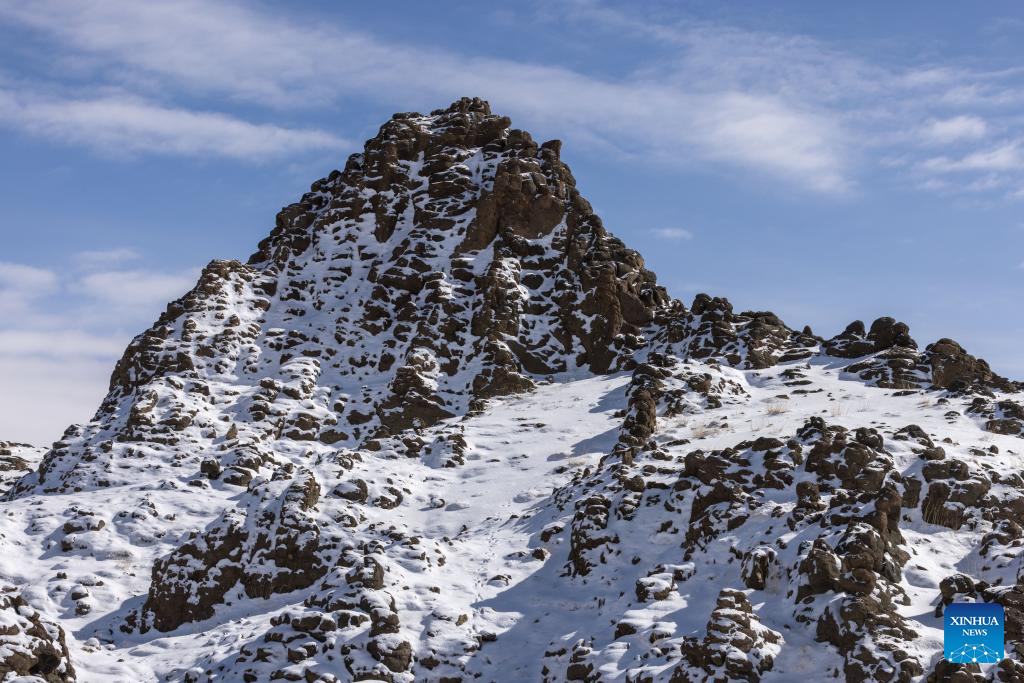
This photo taken on April 10, 2026 shows a view pictured at the Bamoqongzong extinct volcanic cluster area in the Changtang National Nature Reserve, southwest China's Xizang Autonomous Region. (Xinhua/Jiang Fan)
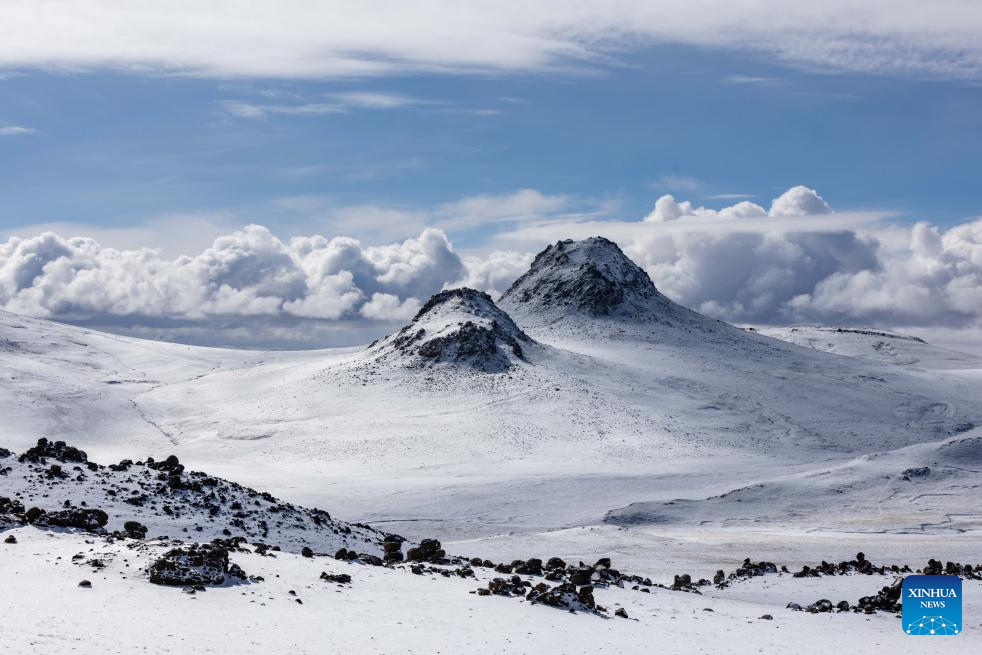
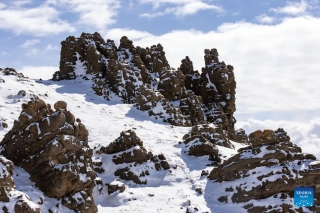
This photo taken on April 10, 2026 shows a view pictured at the Bamoqongzong extinct volcanic cluster area in the Changtang National Nature Reserve, southwest China's Xizang Autonomous Region. (Xinhua/Jiang Fan)
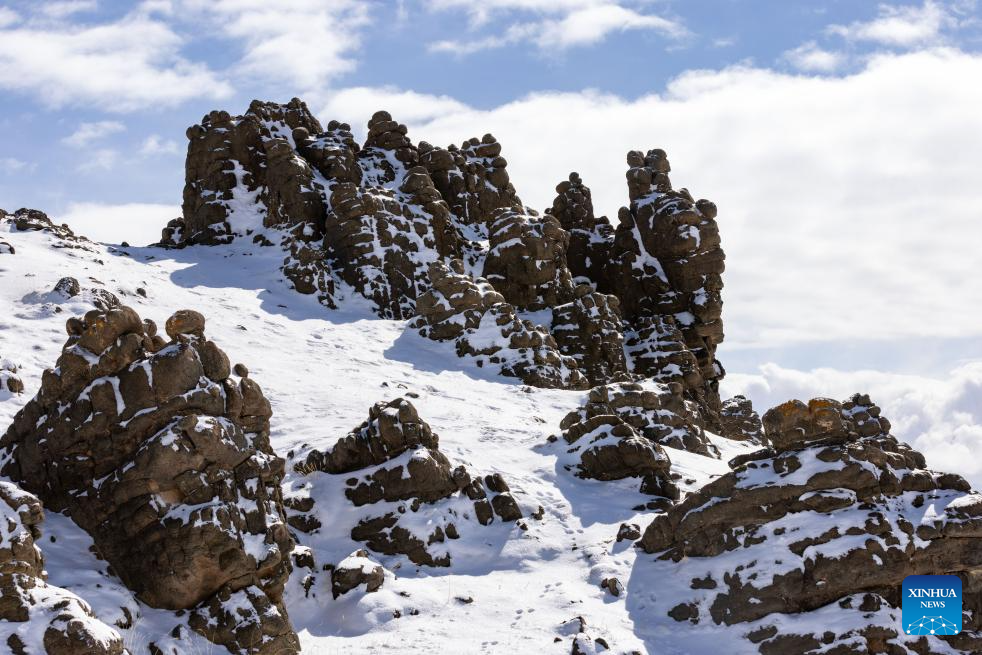
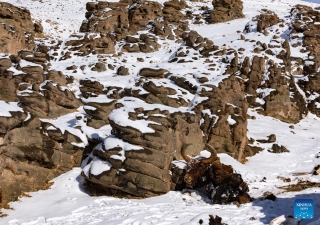
This photo taken on April 10, 2026 shows a view pictured at the Bamoqongzong extinct volcanic cluster area in the Changtang National Nature Reserve, southwest China's Xizang Autonomous Region. (Xinhua/Jiang Fan)
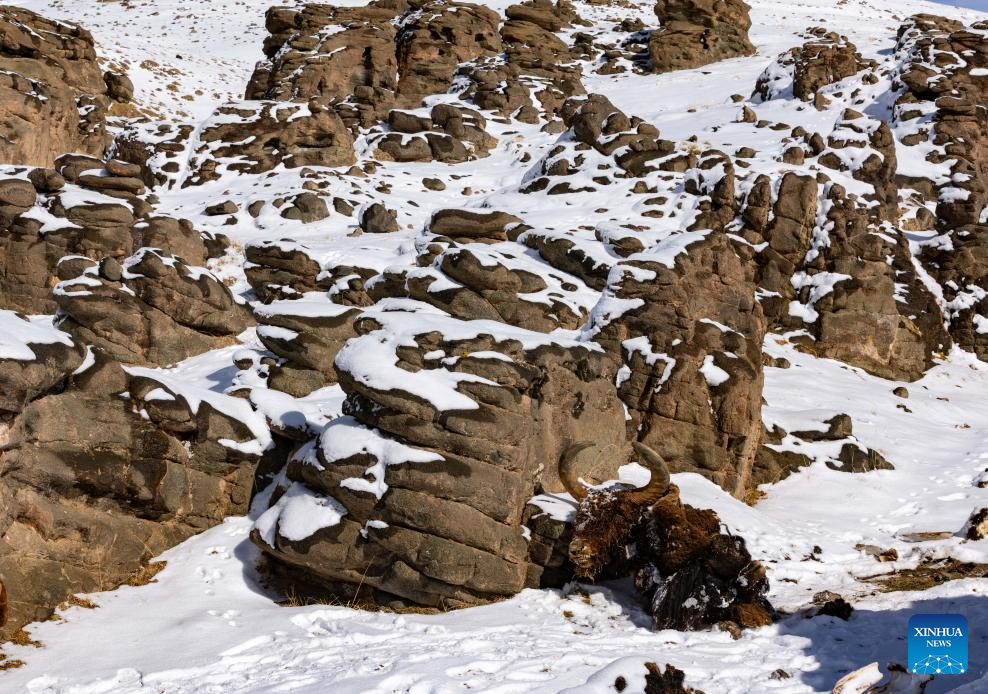
The remains of a wild yak is pictured at the Bamoqongzong extinct volcanic cluster area in the Changtang National Nature Reserve, southwest China's Xizang Autonomous Region, April 10, 2026. (Xinhua/Jiang Fan)
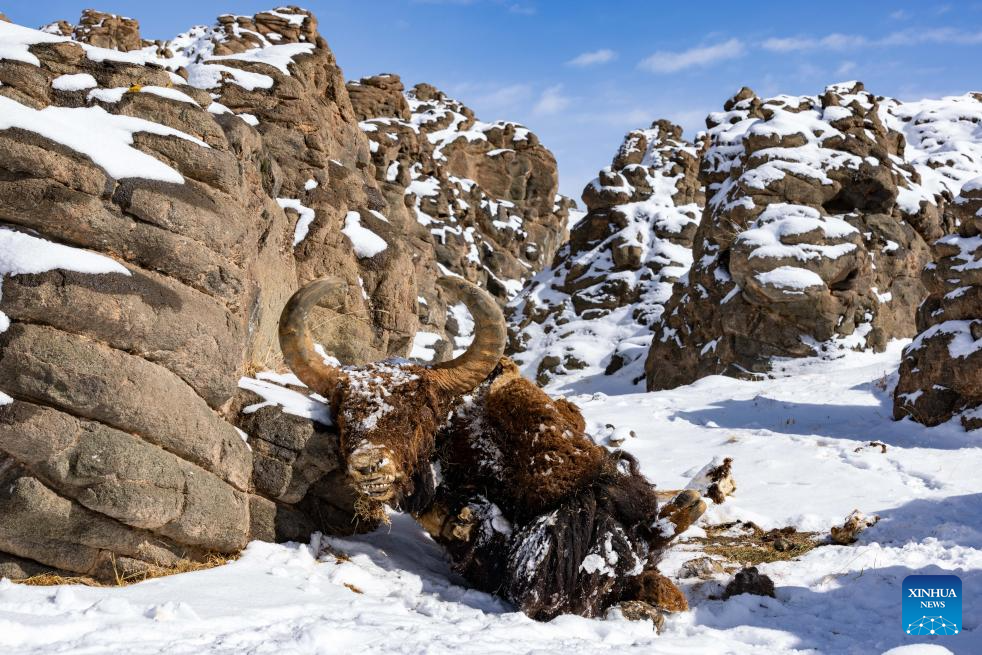
The remains of a wild yak is pictured at the Bamoqongzong extinct volcanic cluster area in the Changtang National Nature Reserve, southwest China's Xizang Autonomous Region, April 10, 2026. (Xinhua/Jiang Fan)
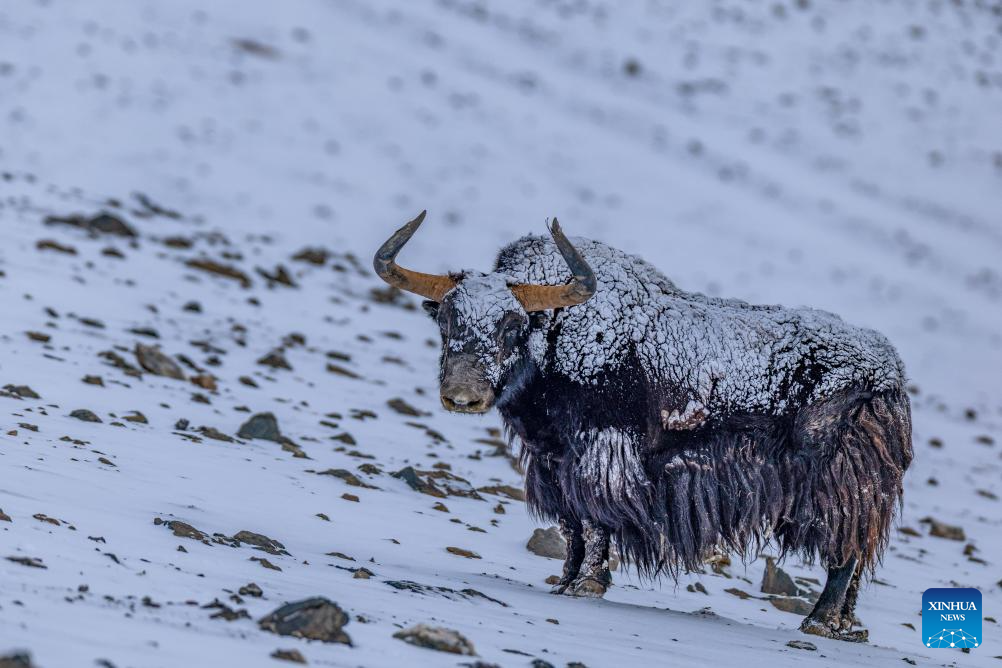
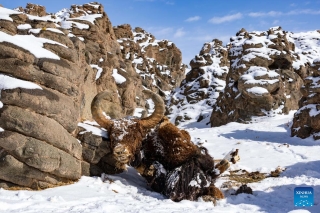
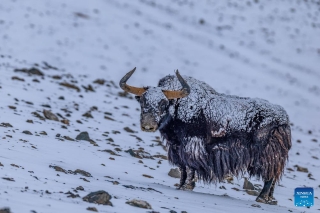
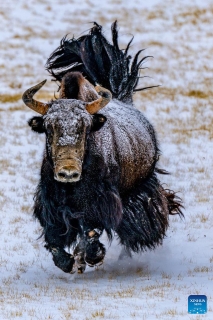
A wild yak is pictured at the Bamoqongzong extinct volcanic cluster area in the Changtang National Nature Reserve, southwest China's Xizang Autonomous Region, April 10, 2026. (Xinhua/Jiang Fan)
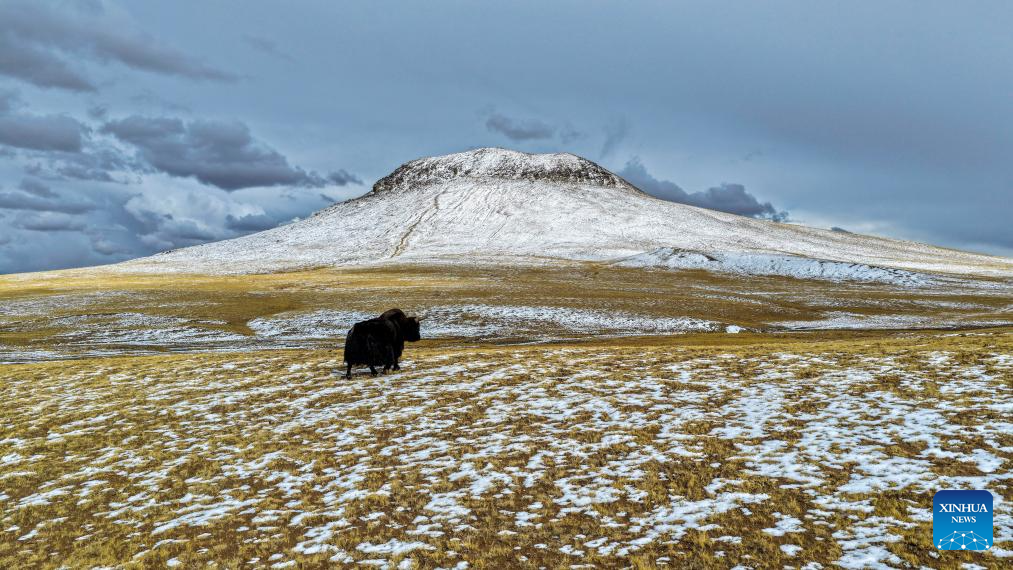
A drone photo taken on April 10, 2026 shows a wild yak at the Bamoqongzong extinct volcanic cluster area in the Changtang National Nature Reserve, southwest China's Xizang Autonomous Region. (Photo by Liang Chunning/Xinhua)
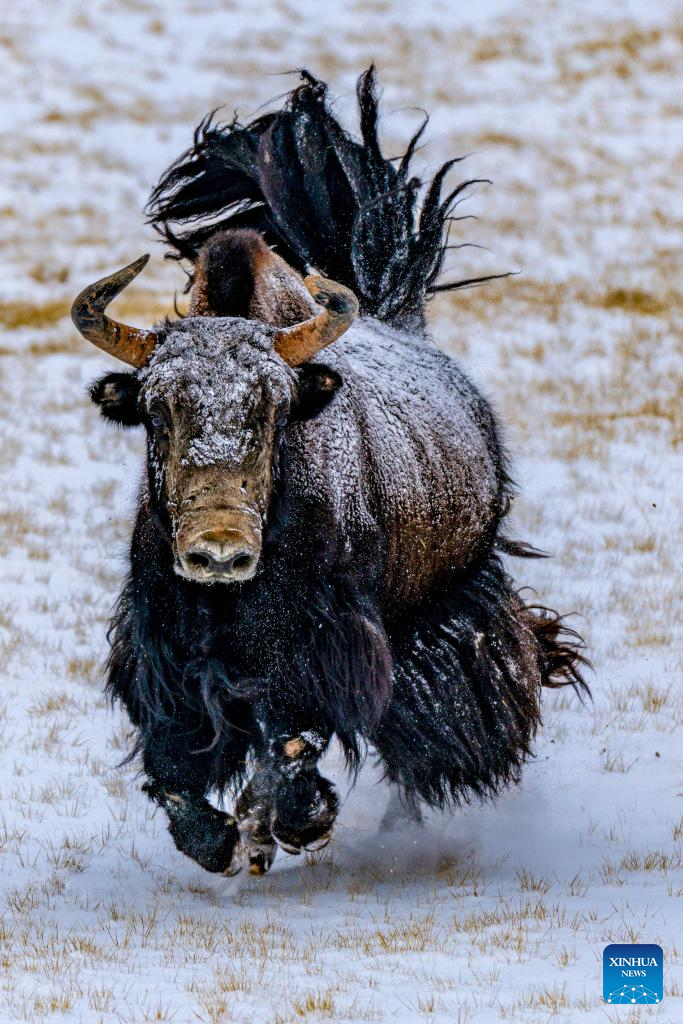
A wild yak is pictured at the Bamoqongzong extinct volcanic cluster area in the Changtang National Nature Reserve, southwest China's Xizang Autonomous Region, April 9, 2026. (Xinhua/Jiang Fan)
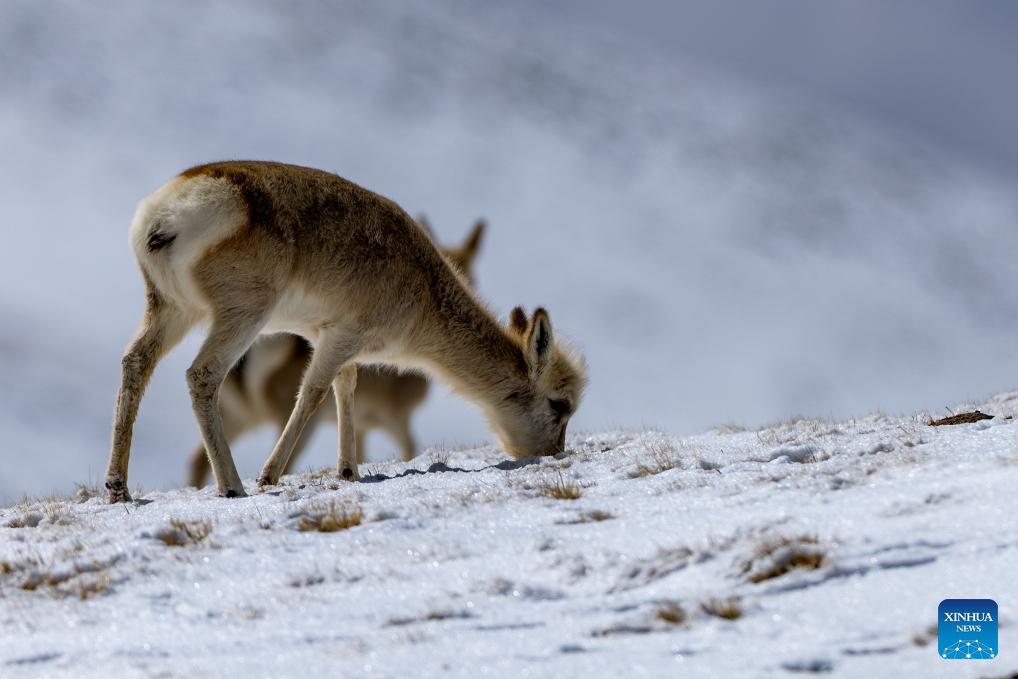
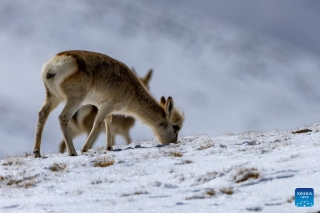
Tibetan gazelles are pictured at the Bamoqongzong extinct volcanic cluster area in the Changtang National Nature Reserve, southwest China's Xizang Autonomous Region, April 10, 2026. (Xinhua/Jiang Fan)
.jpg)
An aerial drone photo taken on April 9, 2026 shows a view pictured at the Bamoqongzong extinct volcanic cluster area in the Changtang National Nature Reserve, southwest China's Xizang Autonomous Region. (Photo by Liang Chunning/Xinhua)
.jpg)
This photo taken on April 11, 2026 shows the sunrise scenery pictured at the Bamoqongzong extinct volcanic cluster area in the Changtang National Nature Reserve, southwest China's Xizang Autonomous Region. (Photo by Liang Chunning/Xinhua)
.jpg)
A wild yak is pictured at the Bamoqongzong extinct volcanic cluster area in the Changtang National Nature Reserve, southwest China's Xizang Autonomous Region, April 9, 2026. (Xinhua/Jiang Fan)
.jpg)
This photo taken on April 11, 2026 shows the sunrise scenery pictured at the Bamoqongzong extinct volcanic cluster area in the Changtang National Nature Reserve, southwest China's Xizang Autonomous Region. (Photo by Liang Chunning/Xinhua)
.jpg)
A wild yak is pictured at the Bamoqongzong extinct volcanic cluster area in the Changtang National Nature Reserve, southwest China's Xizang Autonomous Region, April 10, 2026. (Xinhua/Jiang Fan)
.jpg)
Rangers drive to the Bamoqongzong extinct volcanic cluster area for patrol in the Changtang National Nature Reserve, southwest China's Xizang Autonomous Region, April 9, 2026. (Xinhua/Jiang Fan)
.jpg)
An aerial drone photo taken on April 11, 2026 shows rangers camping at the Bamoqongzong extinct volcanic cluster area in the Changtang National Nature Reserve, southwest China's Xizang Autonomous Region. (Xinhua/Jiang Fan)

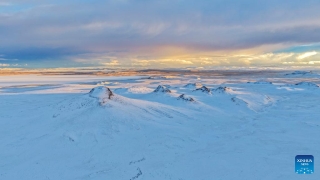
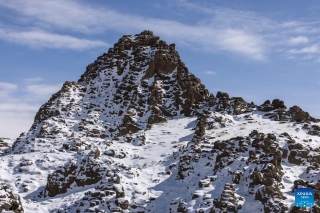
.jpg)
.jpg)
.jpg)
.jpg)
.jpg)
.jpg)
.jpg)

The Bamoqongzong extinct volcanic cluster is located deep within the Changtang National Nature Reserve, at an average elevation of approximately 5,000 meters.