
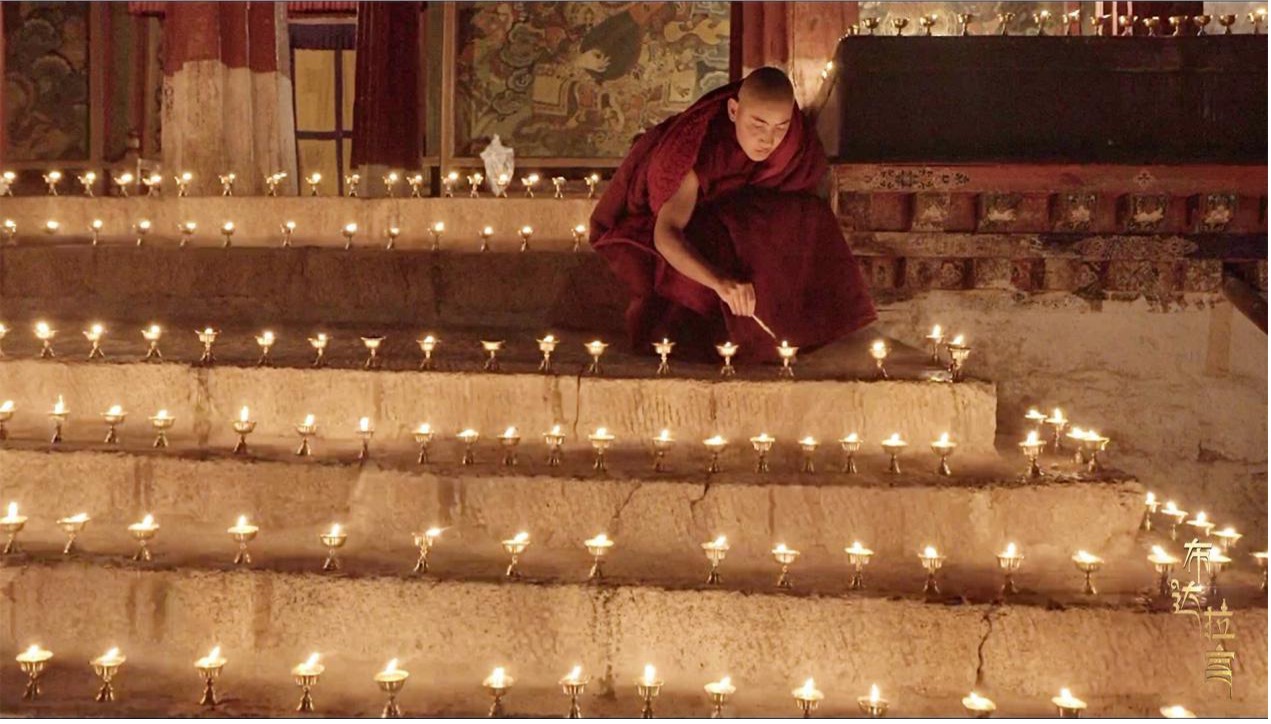

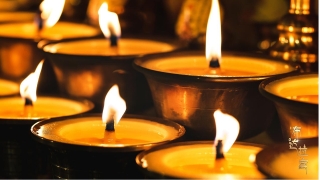

The Butter Lamp Festival, which falls annually on the 25th day of the 10th month of the Tibetan calendar, commemorates the Tibetan Buddhist master Tsong Khapa, founder of the Gelug School. It is one of the most important annual holidays for Tibetans in Xizang and other parts of western China.
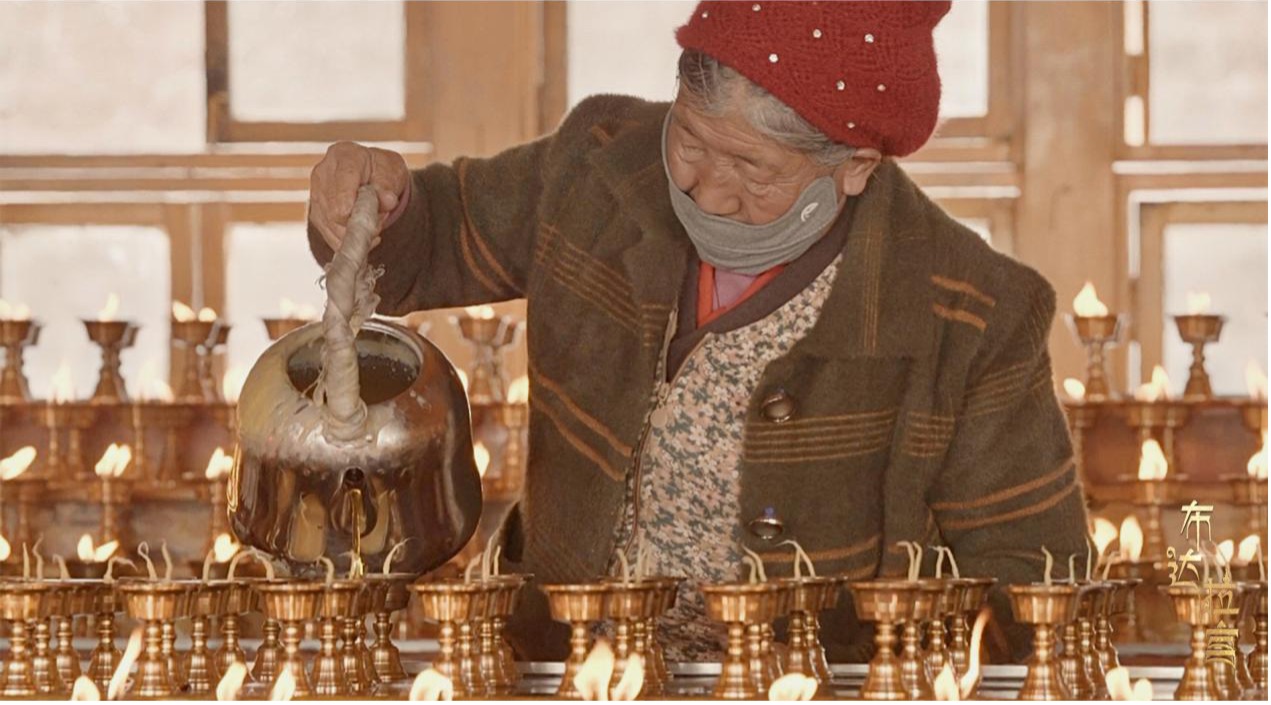
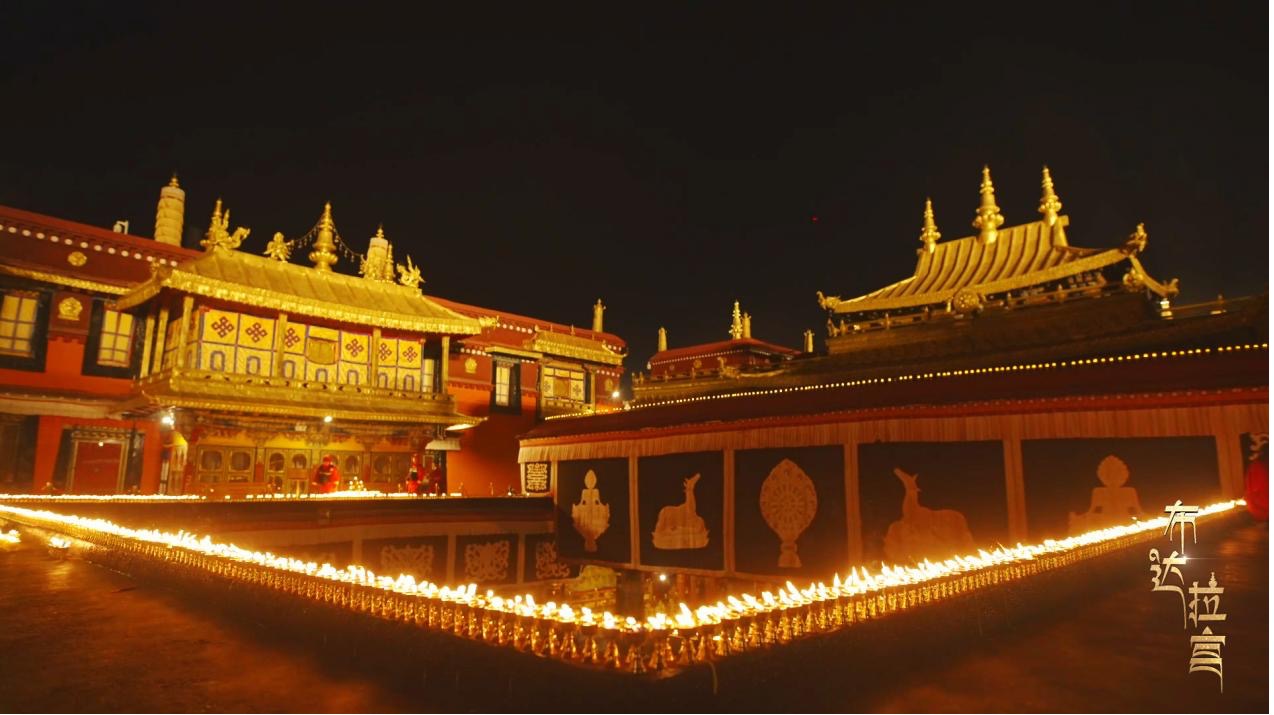
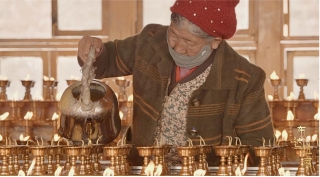
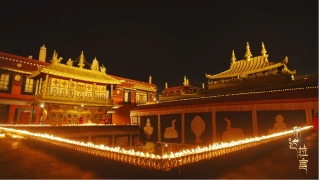
On the day of the festival, in monasteries and in people's homes, butter lamps are lit. Burning day and night, they also illuminate streets and alleys, forming a sea of flickering lights.
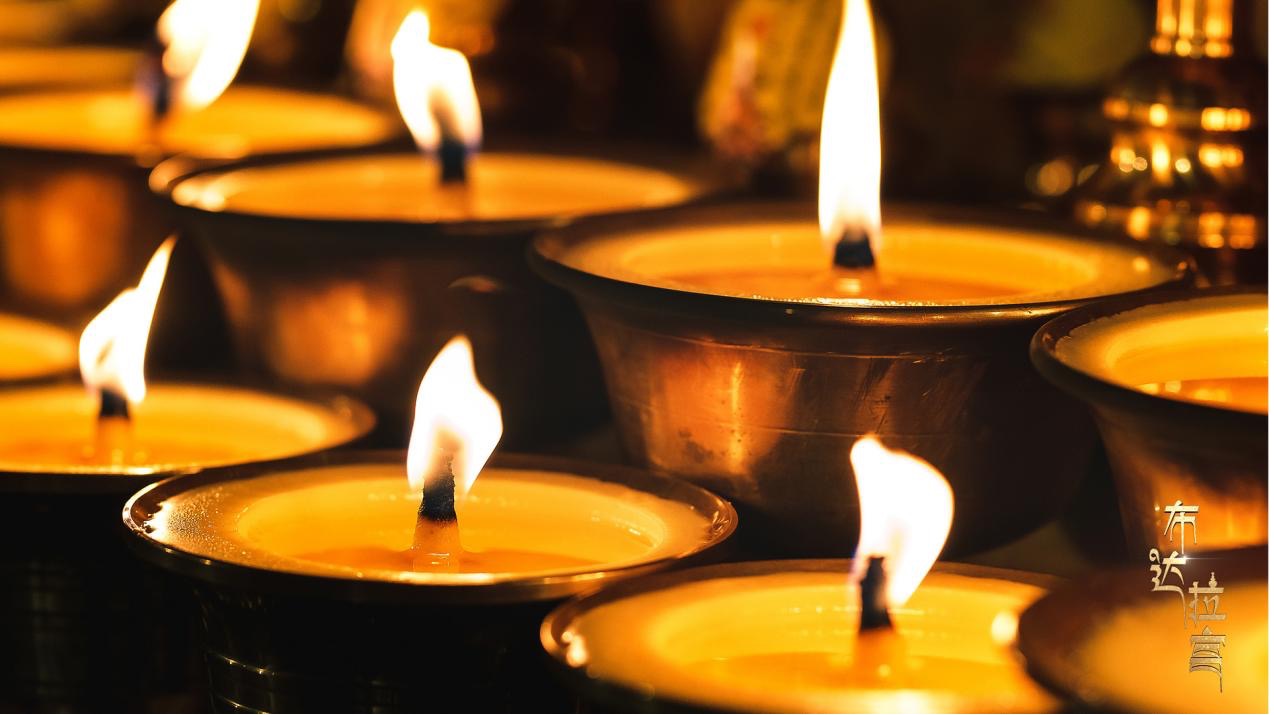
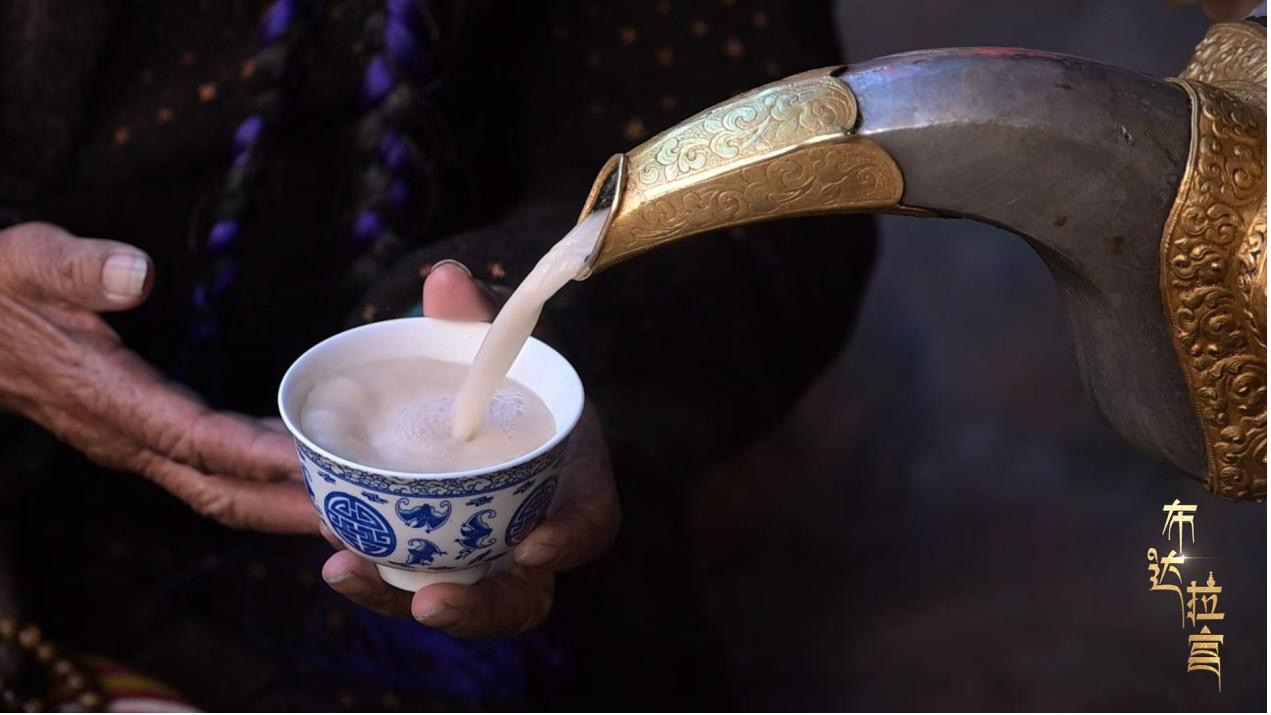
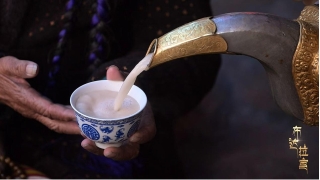
As a part of the Tibetan cultural tradition, the gently glowing butter lamps are a symbol of Buddhist belief. The fuel for these lamps is yak butter — a daily necessity on the plateau. From the large barrels sold in local shops to the creamy butter tea served to guests, yak butter is an essential thread in the fabric of Tibetan life.
Yak butter's importance stems partly from the environment. On the plateau, where the altitude generally exceeds 3,000 meters, the air is thin and the temperature can change dramatically from day to night. This makes yak butter a much-needed source of calories and nutrition.
Yak butter and the Butter Lamp Festival endure as symbols of cultural continuity. In everyday Tibetan life, yak butter proves to be remarkably versatile. It's the basis of butter tea, the warm and nourishing staple drink of this region. Traditional Tibetan medicine incorporates yak butter in its treatments, while herders apply it as a natural balm to protect their skin from the harsh winds. Its uses also extend to conditioning leather goods, preserving wooden tools and maintaining traditional musical instruments.