Daily life of researcher devoting both her mind and body to study of Tibetan yaks
Daily life of researcher devoting both her mind and body to study of Tibetan yaks

Daily life of researcher devoting both her mind and body to study of Tibetan yaks

Daily life of researcher devoting both her mind and body to study of Tibetan yaks

Daily life of researcher devoting both her mind and body to study of Tibetan yaks

Daily life of researcher devoting both her mind and body to study of Tibetan yaks

Daily life of researcher devoting both her mind and body to study of Tibetan yaks

Daily life of researcher devoting both her mind and body to study of Tibetan yaks

Daily life of researcher devoting both her mind and body to study of Tibetan yaks

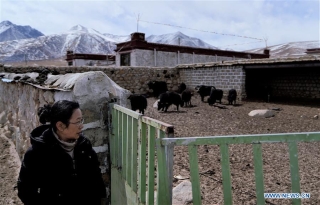


Ji Qiumei stands next to a yak pen at about 4,500 meters above sea level in southwest China`s Tibet Autonomous Region, Feb. 26, 2019. Effortlessly cutting slices from a gigot while chatting with local herdsmen in fluent Tibetan, Ji Qiumei, thin and wearing glasses, fits right into the prairie. Born in 1965, Ji has studied Tibetan yaks for 30 years. In this field, she is the sole female researcher and the only one with a doctoral degree. Aiming to help herders out of poverty through her research, Ji sees grasslands and pastures as her laboratories. In recent years, she has made frequent trips to Damxung County in the northwest outskirt of Lhasa, capital of southwest China`s Tibet Autonomous Region, where projects like large-scale grass planting and intensive yak fattening are being carried out. Ji Qiumei had been raised in a pasture. She has known yaks since childhood and understood that for Tibetan herders, yaks are the most important source of food as well as income.
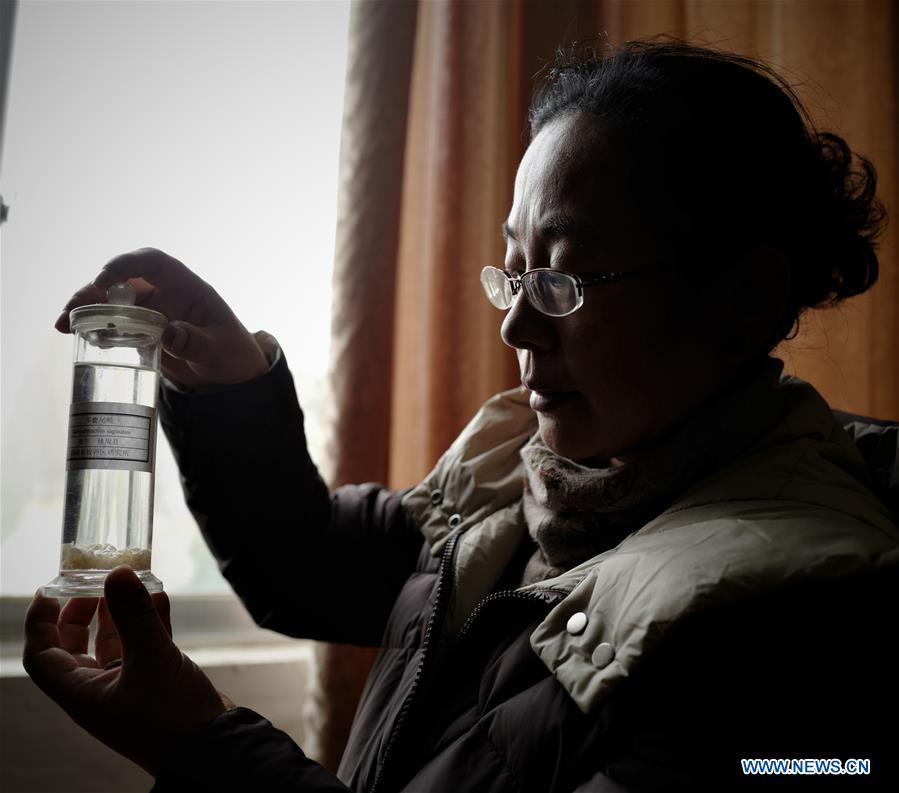
Ji Qiumei checks experimental samples at Tibet Academy of Agricultural and Animal Husbandry Sciences in Lhasa, southwest China`s Tibet Autonomous Region, Feb. 28, 2019. Effortlessly cutting slices from a gigot while chatting with local herdsmen in fluent Tibetan, Ji Qiumei, thin and wearing glasses, fits right into the prairie. Born in 1965, Ji has studied Tibetan yaks for 30 years. In this field, she is the sole female researcher and the only one with a doctoral degree. Aiming to help herders out of poverty through her research, Ji sees grasslands and pastures as her laboratories. In recent years, she has made frequent trips to Damxung County in the northwest outskirt of Lhasa, capital of southwest China`s Tibet Autonomous Region, where projects like large-scale grass planting and intensive yak fattening are being carried out. Ji Qiumei had been raised in a pasture. She has known yaks since childhood and understood that for Tibetan herders, yaks are the most importan
Ji Qiumei (L) and a colleague conduct a research on pasture grass planting in Yangbajain Town of Damxung County, southwest China`s Tibet Autonomous Region, Feb. 26, 2019. Effortlessly cutting slices from a gigot while chatting with local herdsmen in fluent Tibetan, Ji Qiumei, thin and wearing glasses, fits right into the prairie. Born in 1965, Ji has studied Tibetan yaks for 30 years. In this field, she is the sole female researcher and the only one with a doctoral degree. Aiming to help herders out of poverty through her research, Ji sees grasslands and pastures as her laboratories. In recent years, she has made frequent trips to Damxung County in the northwest outskirt of Lhasa, capital of southwest China`s Tibet Autonomous Region, where projects like large-scale grass planting and intensive yak fattening are being carried out. Ji Qiumei had been raised in a pasture. She has known yaks since childhood and understood that for Tibetan herders, yaks are the most import
Ji Qiumei (R) talks with a member of a herding family in southwest China`s Tibet Autonomous Region, Feb. 26, 2019. Effortlessly cutting slices from a gigot while chatting with local herdsmen in fluent Tibetan, Ji Qiumei, thin and wearing glasses, fits right into the prairie. Born in 1965, Ji has studied Tibetan yaks for 30 years. In this field, she is the sole female researcher and the only one with a doctoral degree. Aiming to help herders out of poverty through her research, Ji sees grasslands and pastures as her laboratories. In recent years, she has made frequent trips to Damxung County in the northwest outskirt of Lhasa, capital of southwest China`s Tibet Autonomous Region, where projects like large-scale grass planting and intensive yak fattening are being carried out. Ji Qiumei had been raised in a pasture. She has known yaks since childhood and understood that for Tibetan herders, yaks are the most important source of food as well as income. In 1988, she gradu
Ji Qiumei (2nd R) researches on yak growth in a pasture 100 kilometers east of Lhasa, southwest China`s Tibet Autonomous Region, Nov. 11, 2015. Effortlessly cutting slices from a gigot while chatting with local herdsmen in fluent Tibetan, Ji Qiumei, thin and wearing glasses, fits right into the prairie. Born in 1965, Ji has studied Tibetan yaks for 30 years. In this field, she is the sole female researcher and the only one with a doctoral degree. Aiming to help herders out of poverty through her research, Ji sees grasslands and pastures as her laboratories. In recent years, she has made frequent trips to Damxung County in the northwest outskirt of Lhasa, capital of southwest China`s Tibet Autonomous Region, where projects like large-scale grass planting and intensive yak fattening are being carried out. Ji Qiumei had been raised in a pasture. She has known yaks since childhood and understood that for Tibetan herders, yaks are the most important source of food as well
Ji Qiumei uses a yak specimen to lecture on the growth of yaks at Tibet Academy of Agricultural and Animal Husbandry Sciences in Lhasa, southwest China`s Tibet Autonomous Region, Feb. 28, 2019. Effortlessly cutting slices from a gigot while chatting with local herdsmen in fluent Tibetan, Ji Qiumei, thin and wearing glasses, fits right into the prairie. Born in 1965, Ji has studied Tibetan yaks for 30 years. In this field, she is the sole female researcher and the only one with a doctoral degree. Aiming to help herders out of poverty through her research, Ji sees grasslands and pastures as her laboratories. In recent years, she has made frequent trips to Damxung County in the northwest outskirt of Lhasa, capital of southwest China`s Tibet Autonomous Region, where projects like large-scale grass planting and intensive yak fattening are being carried out. Ji Qiumei had been raised in a pasture. She has known yaks since childhood and understood that for Tibetan herders, y
Ji Qiumei slices cooked yak meat at a herdman`s home in southwest China`s Tibet Autonomous Region, Feb. 26, 2019. Effortlessly cutting slices from a gigot while chatting with local herdsmen in fluent Tibetan, Ji Qiumei, thin and wearing glasses, fits right into the prairie. Born in 1965, Ji has studied Tibetan yaks for 30 years. In this field, she is the sole female researcher and the only one with a doctoral degree. Aiming to help herders out of poverty through her research, Ji sees grasslands and pastures as her laboratories. In recent years, she has made frequent trips to Damxung County in the northwest outskirt of Lhasa, capital of southwest China`s Tibet Autonomous Region, where projects like large-scale grass planting and intensive yak fattening are being carried out. Ji Qiumei had been raised in a pasture. She has known yaks since childhood and understood that for Tibetan herders, yaks are the most important source of food as well as income. In 1988, she gradua
This undated file photo shows yaks raised by Ji Qiumei`s team by selective breeding in southwest China`s Tibet Autonomous Region. Effortlessly cutting slices from a gigot while chatting with local herdsmen in fluent Tibetan, Ji Qiumei, thin and wearing glasses, fits right into the prairie. Born in 1965, Ji has studied Tibetan yaks for 30 years. In this field, she is the sole female researcher and the only one with a doctoral degree. Aiming to help herders out of poverty through her research, Ji sees grasslands and pastures as her laboratories. In recent years, she has made frequent trips to Damxung County in the northwest outskirt of Lhasa, capital of southwest China`s Tibet Autonomous Region, where projects like large-scale grass planting and intensive yak fattening are being carried out. Ji Qiumei had been raised in a pasture. She has known yaks since childhood and understood that for Tibetan herders, yaks are the most important source of food as well as income. In
In this undated file photo, Ji Qiumei works at a laboratory in Lhasa, southwest China`s Tibet Autonomous Region. Effortlessly cutting slices from a gigot while chatting with local herdsmen in fluent Tibetan, Ji Qiumei, thin and wearing glasses, fits right into the prairie. Born in 1965, Ji has studied Tibetan yaks for 30 years. In this field, she is the sole female researcher and the only one with a doctoral degree. Aiming to help herders out of poverty through her research, Ji sees grasslands and pastures as her laboratories. In recent years, she has made frequent trips to Damxung County in the northwest outskirt of Lhasa, capital of southwest China`s Tibet Autonomous Region, where projects like large-scale grass planting and intensive yak fattening are being carried out. Ji Qiumei had been raised in a pasture. She has known yaks since childhood and understood that for Tibetan herders, yaks are the most important source of food as well as income. In 1988, she graduat