Tibet becomes ideal habitat for black-necked cranes in winter
Tibet becomes ideal habitat for black-necked cranes in winter
Tibet becomes ideal habitat for black-necked cranes in winter
Tibet becomes ideal habitat for black-necked cranes in winter
Tibet becomes ideal habitat for black-necked cranes in winter
Tibet becomes ideal habitat for black-necked cranes in winter
Tibet becomes ideal habitat for black-necked cranes in winter
Tibet becomes ideal habitat for black-necked cranes in winter
Tibet becomes ideal habitat for black-necked cranes in winter
Tibet becomes ideal habitat for black-necked cranes in winter
Tibet becomes ideal habitat for black-necked cranes in winter
Tibet becomes ideal habitat for black-necked cranes in winter
Tibet becomes ideal habitat for black-necked cranes in winter


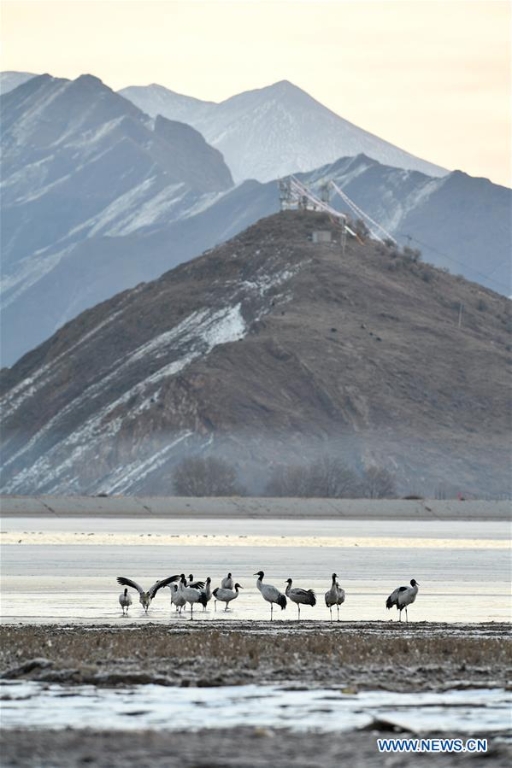
Black-necked cranes rest at a reservoir in Lhunzhub County, Lhasa, southwest China`s Tibet Autonomous Region, Jan. 1, 2019. Because of fine environment and abundant food, Lhunzhub County and Dagze District have become ideal habitats for black-necked cranes in winter. (Xinhua/Zhang Rufeng)
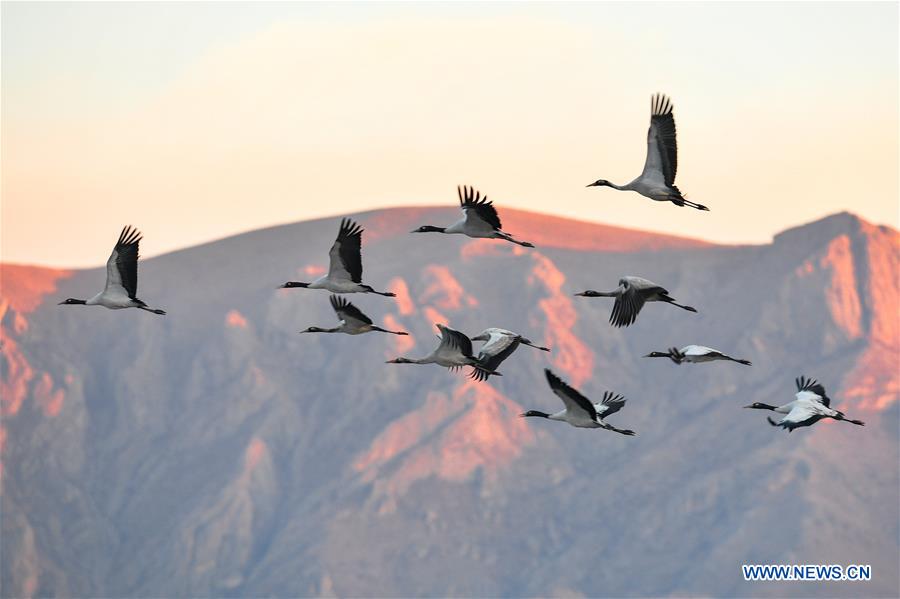
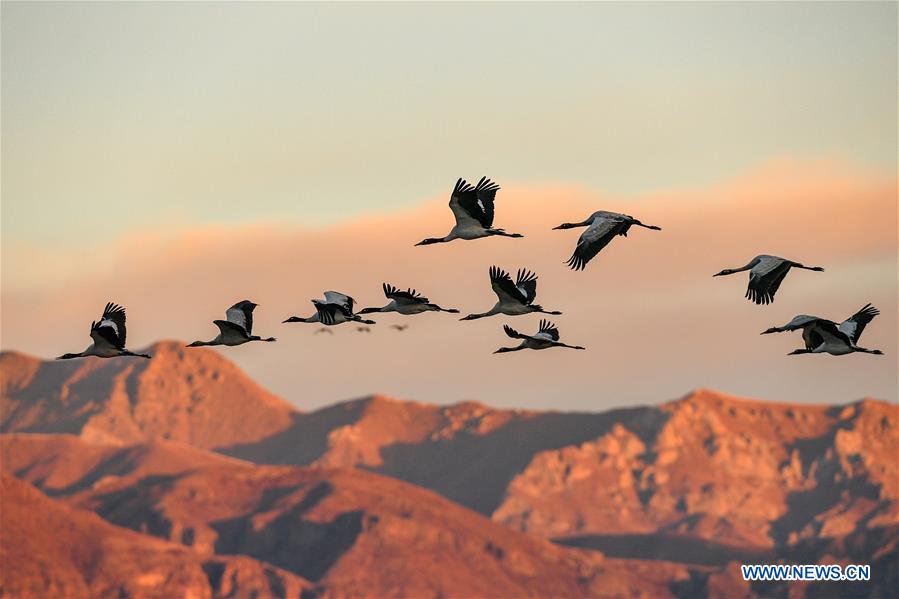
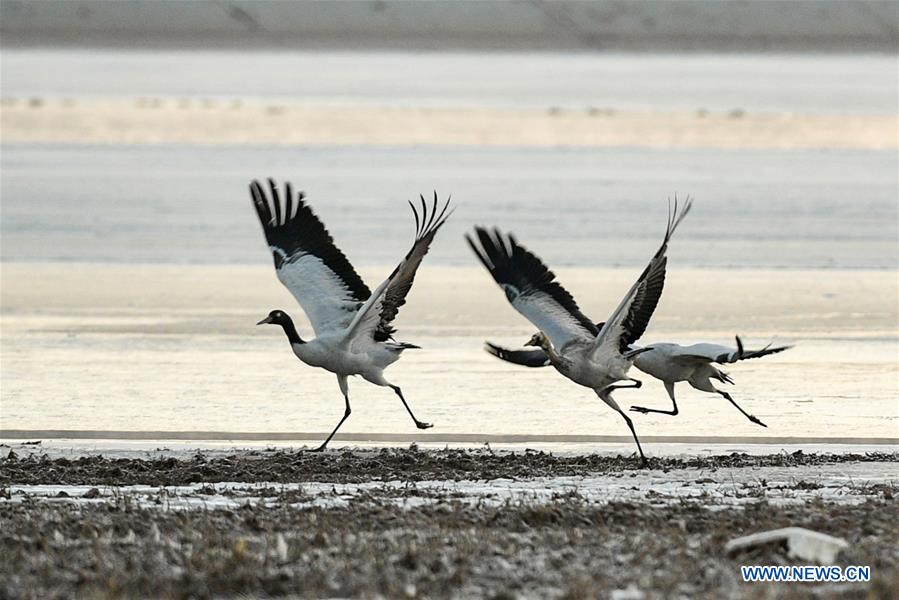
Black-necked cranes fly over the natural reserve for black-necked crane in Lhunzhub County, Lhasa, southwest China`s Tibet Autonomous Region, Jan. 1, 2019. Because of fine environment and abundant food, Lhunzhub County and Dagze District have become ideal habitats for black-necked cranes in winter. (Xinhua/Zhang Rufeng)
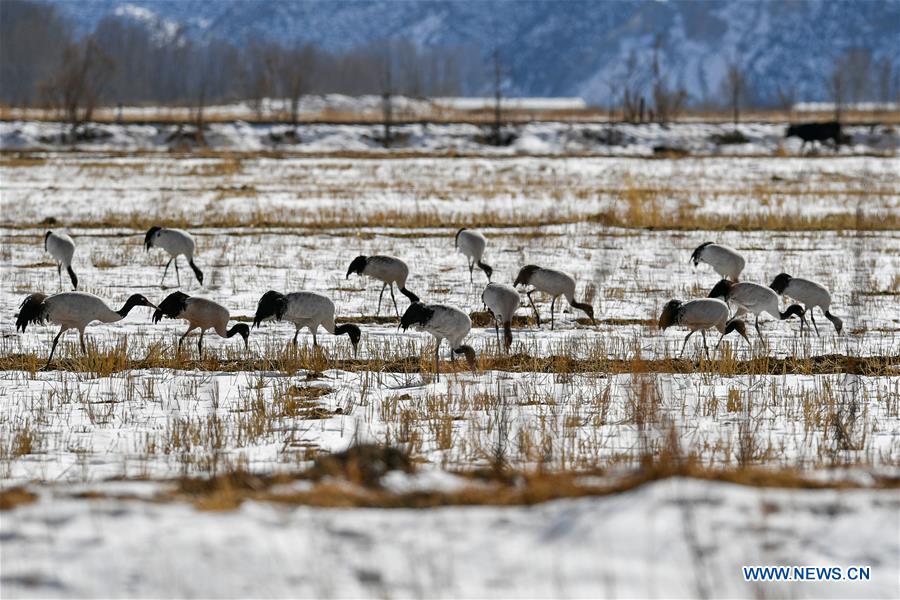
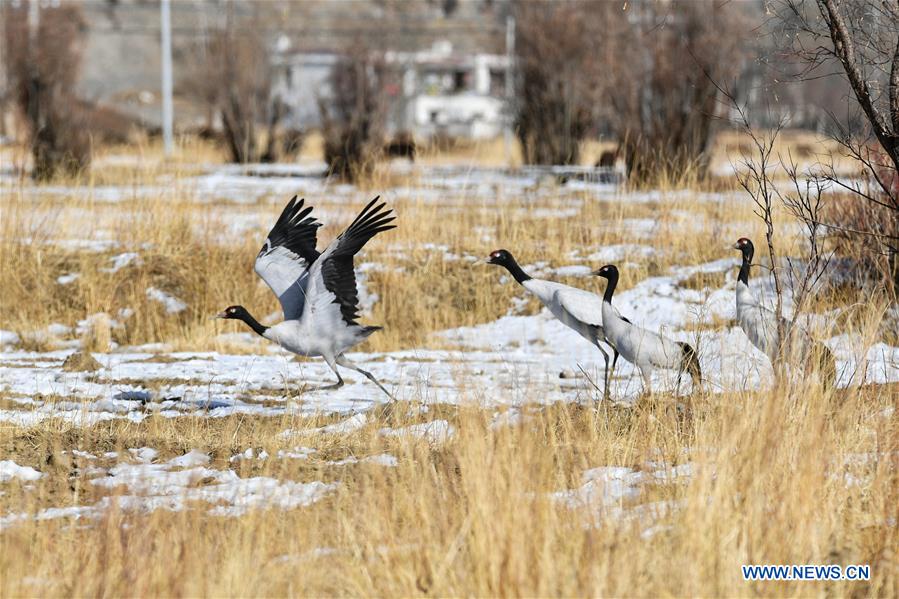
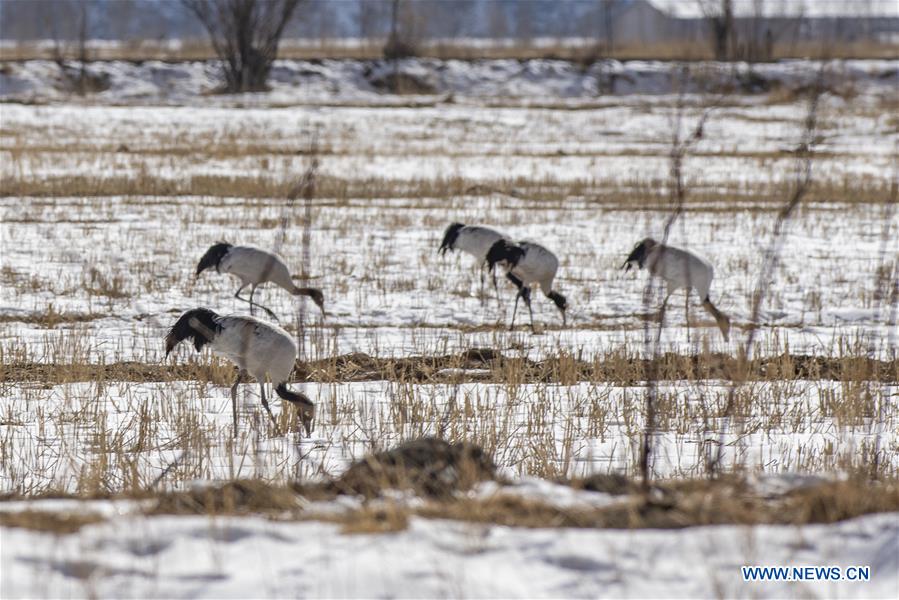
Black-necked cranes search for food in fields of Dagze District, Lhasa, southwest China`s Tibet Autonomous Region, Jan. 1, 2019. Because of fine environment and abundant food, Lhunzhub County and Dagze District have become ideal habitats for black-necked cranes in winter. (Xinhua/Zhang Rufeng)
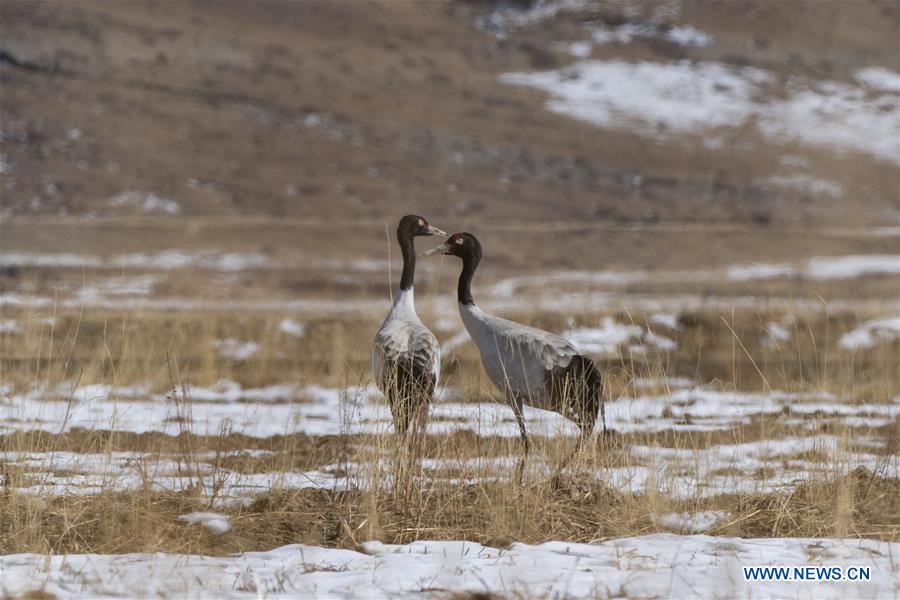
Black-necked cranes are seen at the foot of a snow mountain in Dagze District, Lhasa, southwest China`s Tibet Autonomous Region, Jan. 1, 2019. Because of fine environment and abundant food, Lhunzhub County and Dagze District have become ideal habitats for black-necked cranes in winter. (Xinhua/Sun Fei)
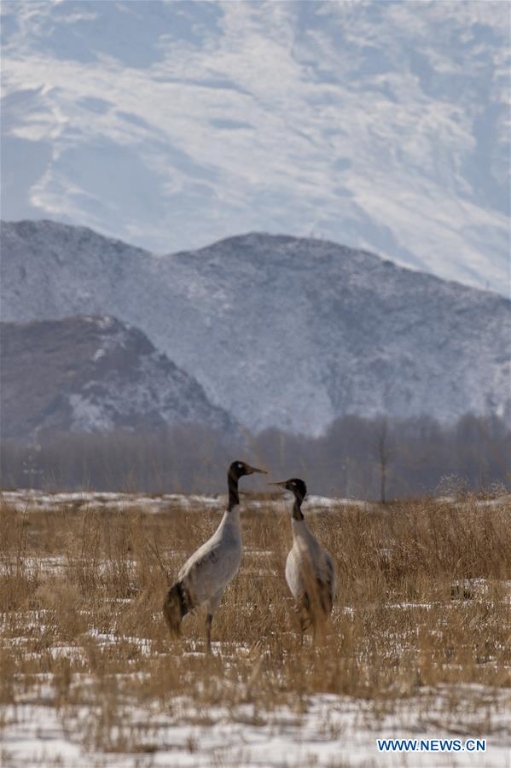
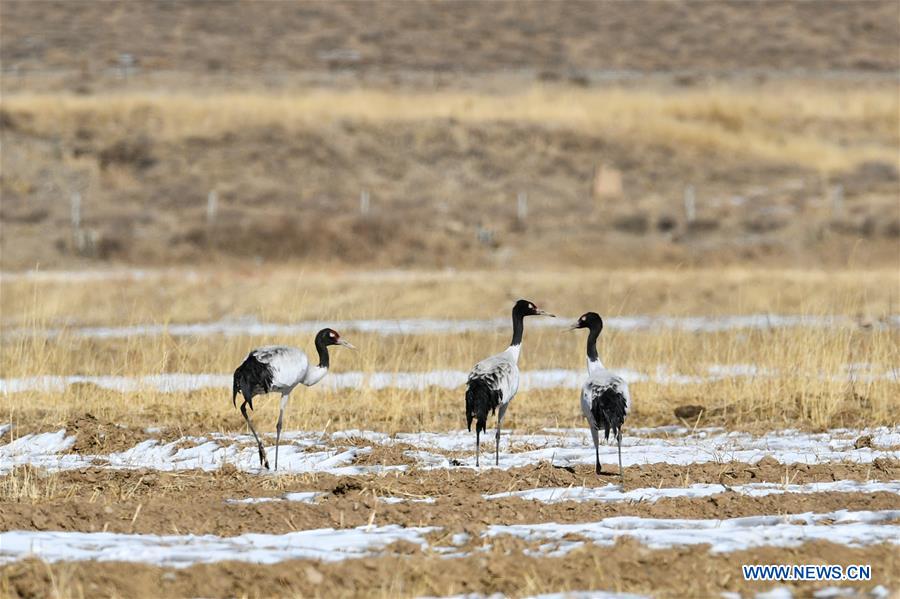
Black-necked cranes are seen in fields of Dagze District, Lhasa, southwest China`s Tibet Autonomous Region, Jan. 1, 2019. Because of fine environment and abundant food, Lhunzhub County and Dagze District have become ideal habitats for black-necked cranes in winter. (Xinhua/Zhang Rufeng)
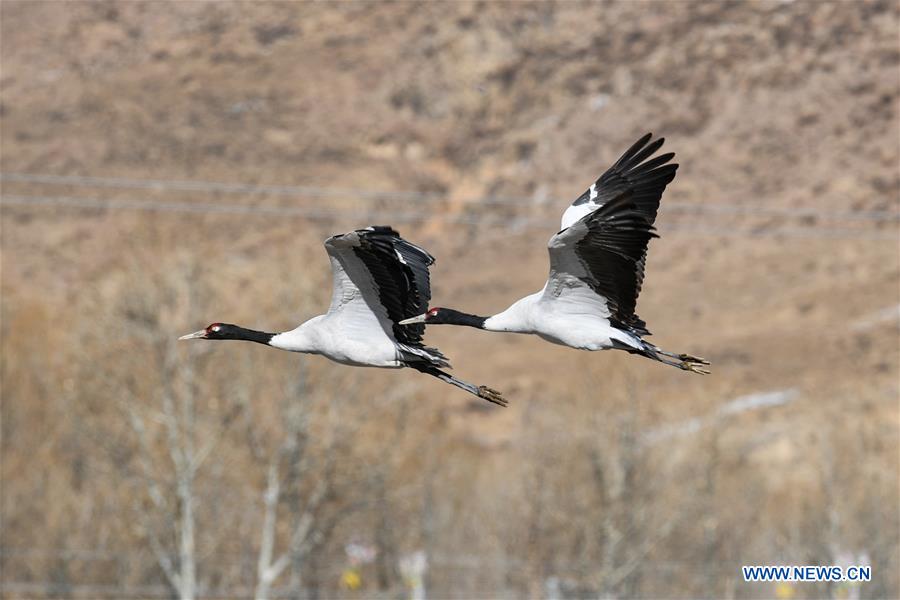
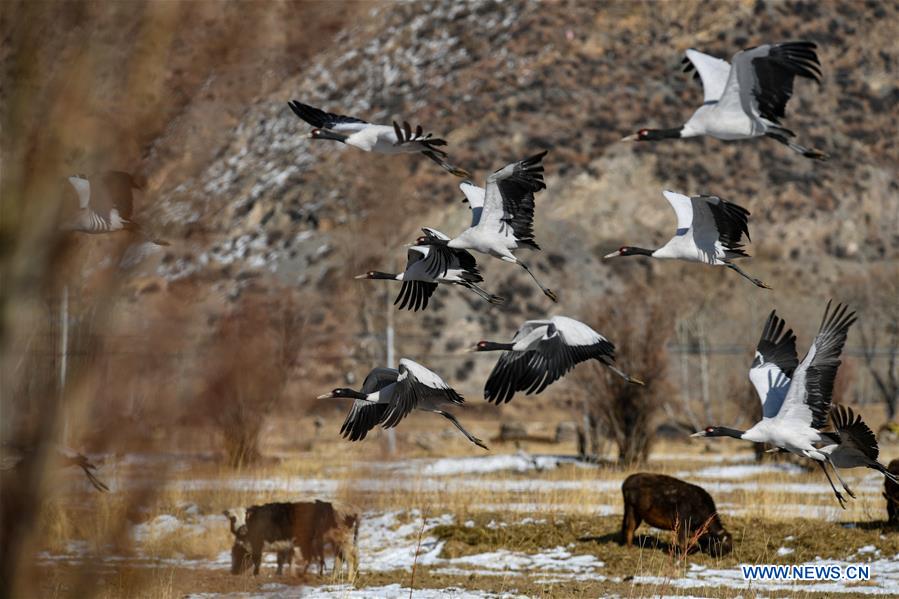
Black-necked cranes fly over fields of Dagze District, Lhasa, southwest China`s Tibet Autonomous Region, Jan. 1, 2019. Because of fine environment and abundant food, Lhunzhub County and Dagze District have become ideal habitats for black-necked cranes in winter. (Xinhua/Zhang Rufeng)
Black-necked cranes fly over the natural reserve for black-necked crane in Lhunzhub County, Lhasa, southwest China`s Tibet Autonomous Region, Jan. 1, 2019. Because of fine environment and abundant food, Lhunzhub County and Dagze District have become ideal habitats for black-necked cranes in winter. (Xinhua/Zhang Rufeng)
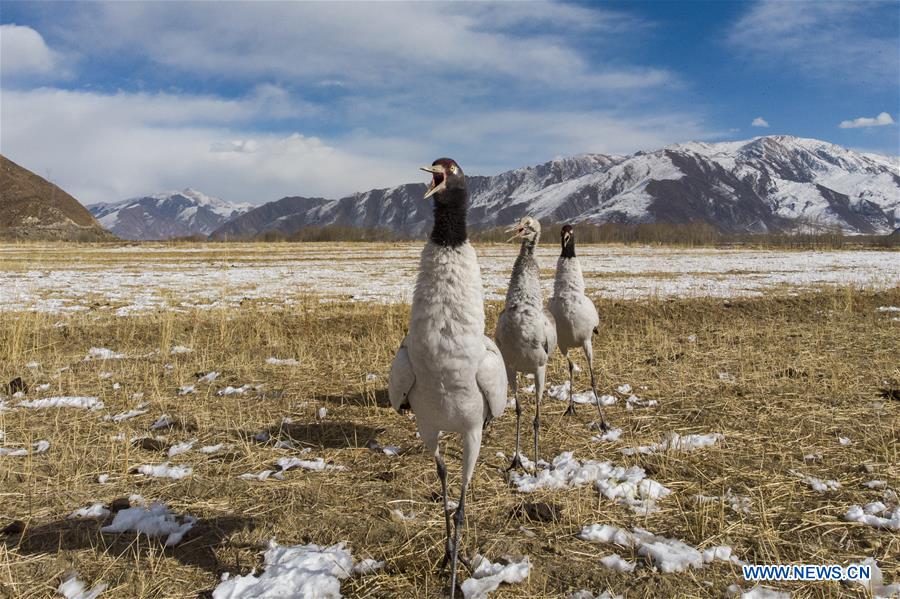
Black-necked cranes shout in fields in Dagze District, Lhasa, southwest China`s Tibet Autonomous Region, Jan. 1, 2019. Because of fine environment and abundant food, Lhunzhub County and Dagze District have become ideal habitats for black-necked cranes in winter. (Xinhua/Sun Fei)
Black-necked cranes are seen in fields in Dagze District, Lhasa, southwest China`s Tibet Autonomous Region, Jan. 1, 2019. Because of fine environment and abundant food, Lhunzhub County and Dagze District have become ideal habitats for black-necked cranes in winter. (Xinhua/Sun Fei)
Black-necked cranes rest in fields in Dagze District, Lhasa, southwest China`s Tibet Autonomous Region, Jan. 1, 2019. Because of fine environment and abundant food, Lhunzhub County and Dagze District have become ideal habitats for black-necked cranes in winter. (Xinhua/Zhang Rufeng)
Black-necked cranes fly over fileds of Dagze District, Lhasa, southwest China`s Tibet Autonomous Region, Jan. 1, 2019. Because of fine environment and abundant food, Lhunzhub County and Dagze District have become ideal habitats for black-necked cranes in winter. (Xinhua/Zhang Rufeng)
Black-necked cranes search for food in fields in Dagze District, Lhasa, southwest China`s Tibet Autonomous Region, Jan. 1, 2019. Because of fine environment and abundant food, Lhunzhub County and Dagze District have become ideal habitats for black-necked cranes in winter. (Xinhua/Sun Fei)
Black-necked cranes rest at a reservoir in Lhunzhub County, Lhasa, southwest China`s Tibet Autonomous Region, Jan. 1, 2019. Because of fine environment and abundant food, Lhunzhub County and Dagze District have become ideal habitats for black-necked cranes in winter. (Xinhua/Zhang Rufeng)